
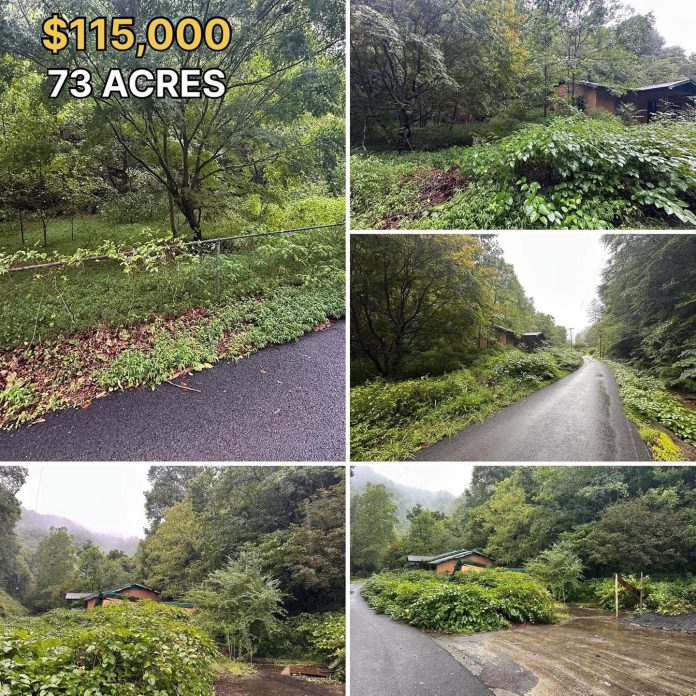
73 Acres of Wooded Kentucky Mountain Land Listed for $115,000 — With Utilities Available
Imagine owning 73 acres of land surrounded by the wooded mountains of eastern Kentucky for an asking price of just $115,000. That is approximately $1,575 per acre, making this property an interesting option for buyers searching for substantial acreage without the price tag often associated with larger rural properties.
Located at 816 Road Creek in Elkhorn City, Kentucky 41522, this surveyed tract sits in Pike County, a region known for its Appalachian mountain landscapes, winding country roads, and heavily forested hillsides.
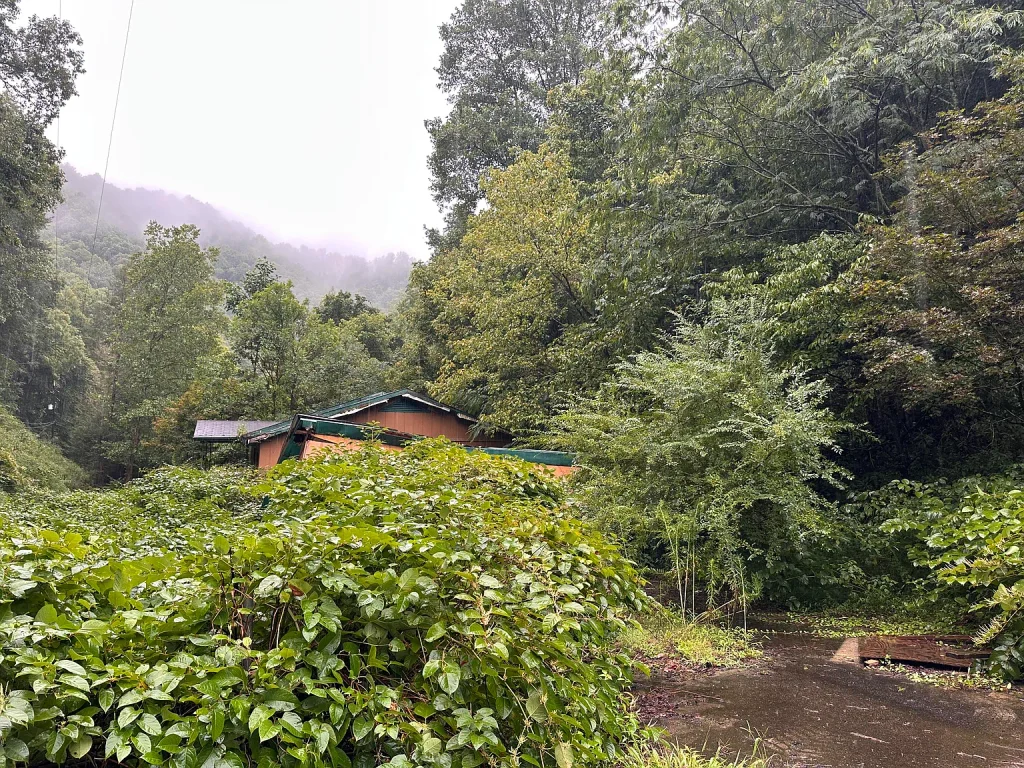
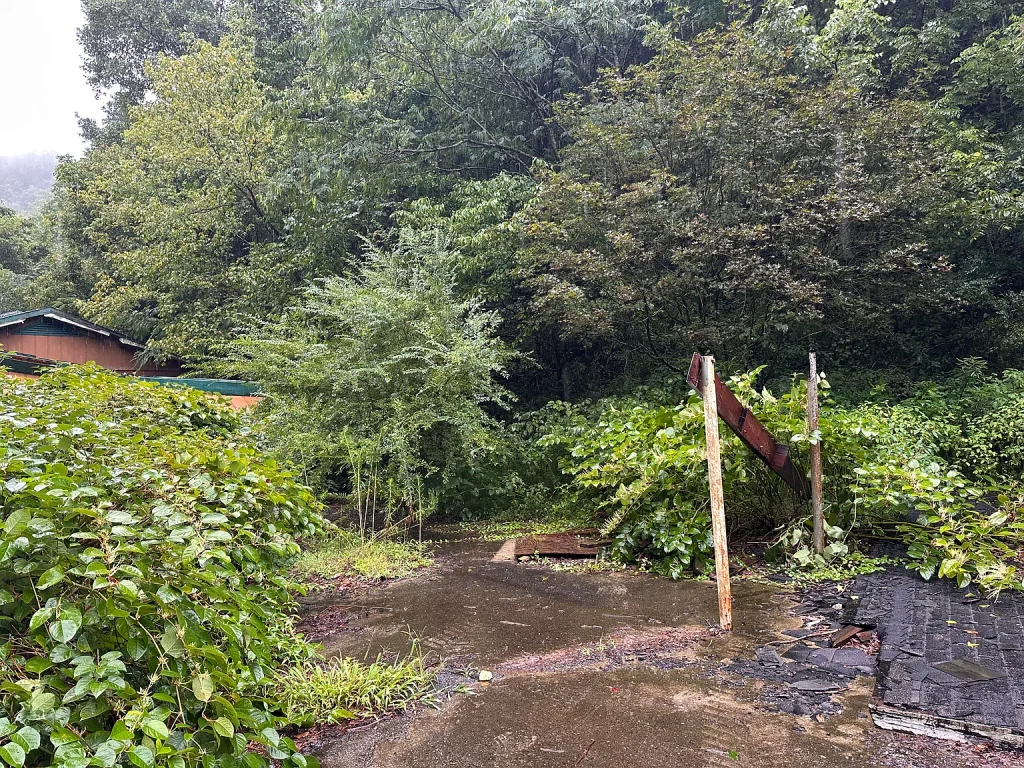
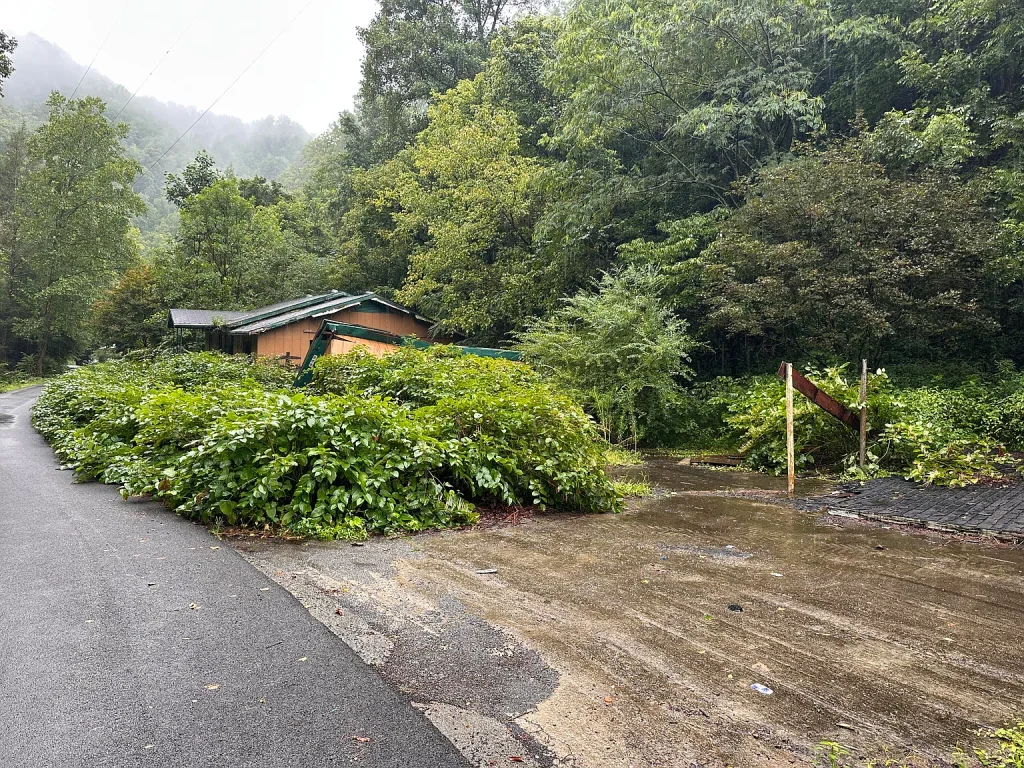
The property is being marketed as unimproved land, although an older house remains on the site. According to the listing, electricity, public water, and sewer service are available.
These features may appeal to buyers considering a future country homesite, recreational retreat, or long-term landholding.
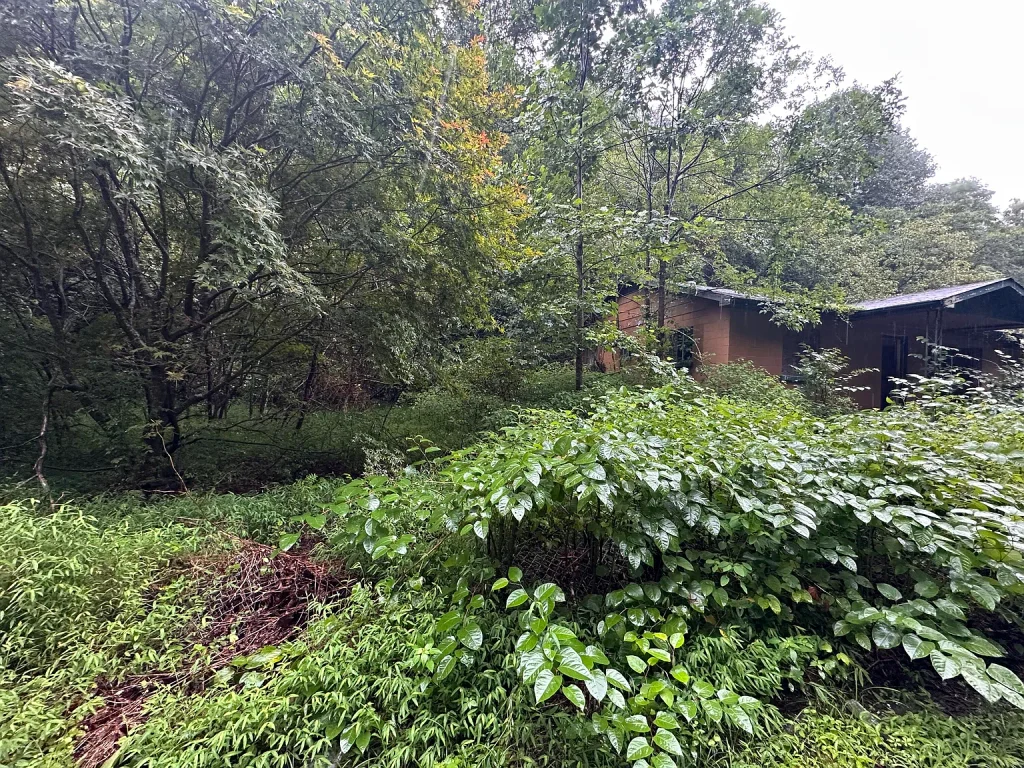
However, the existing house is considered to have no value and needs to be removed. Buyers should also investigate the property’s terrain, access, and utility infrastructure before making any development plans.
A Large Piece of Eastern Kentucky Countryside
The most impressive feature of this property is the amount of land included.
At approximately 73 surveyed acres, the parcel offers considerably more space than a typical residential lot.
The surrounding region features wooded Appalachian hills, rural roads, and a landscape shaped by valleys and mountain ridges.
For someone interested in country living, the acreage may provide opportunities to enjoy natural scenery and spend time outdoors.
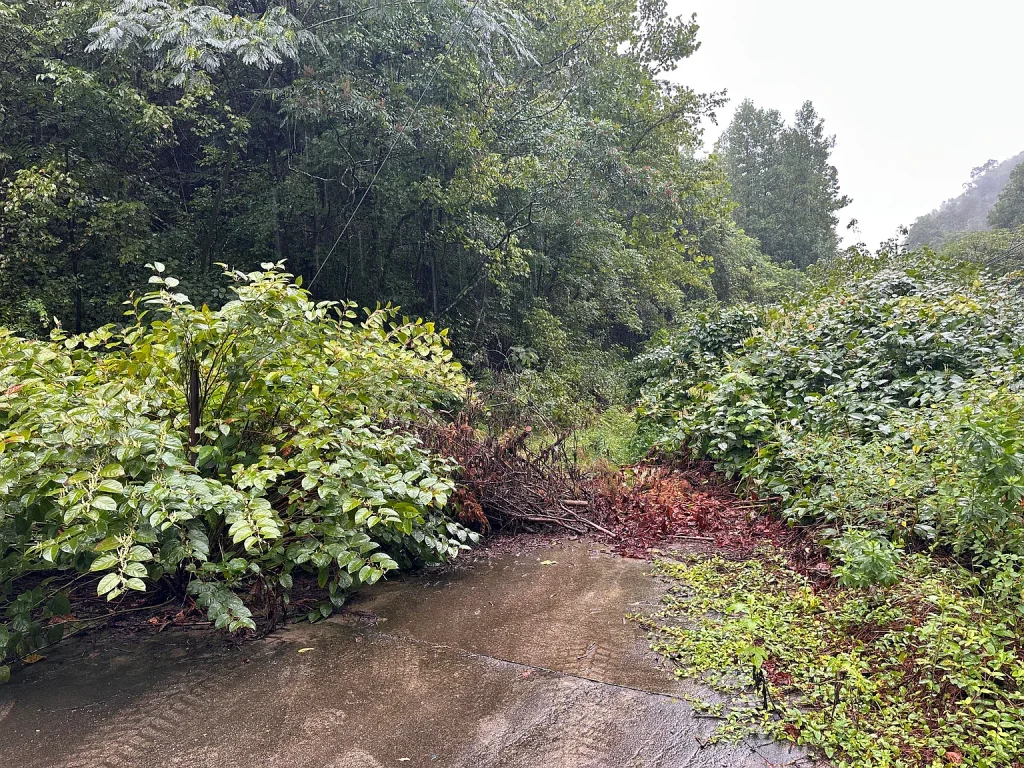
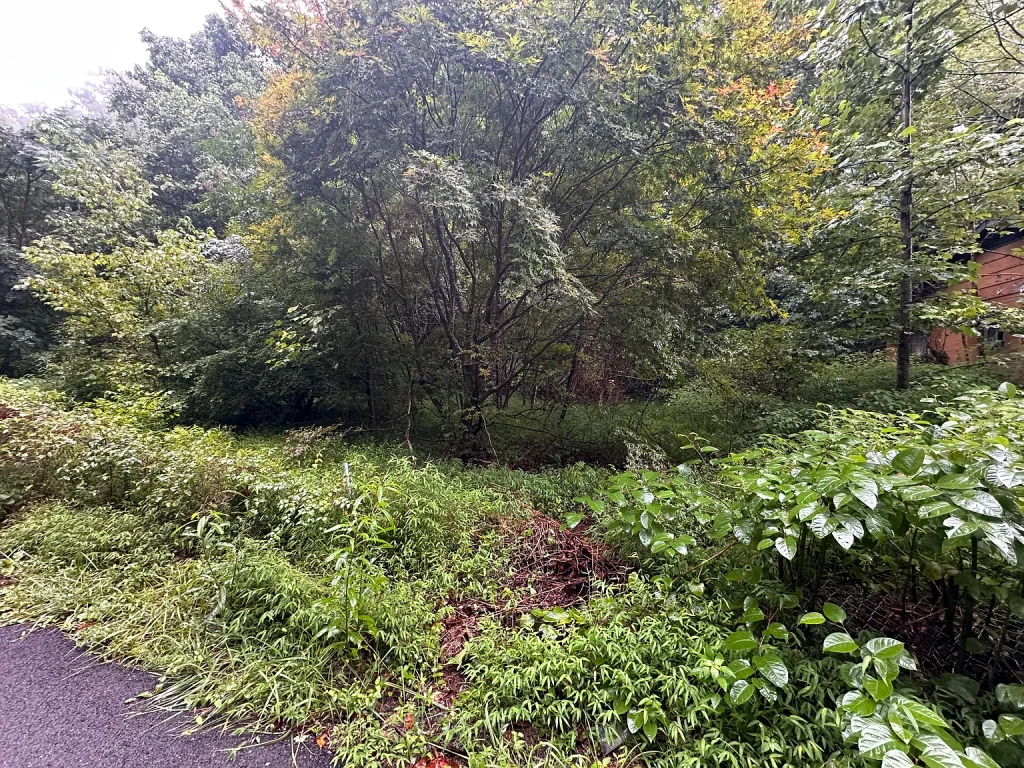
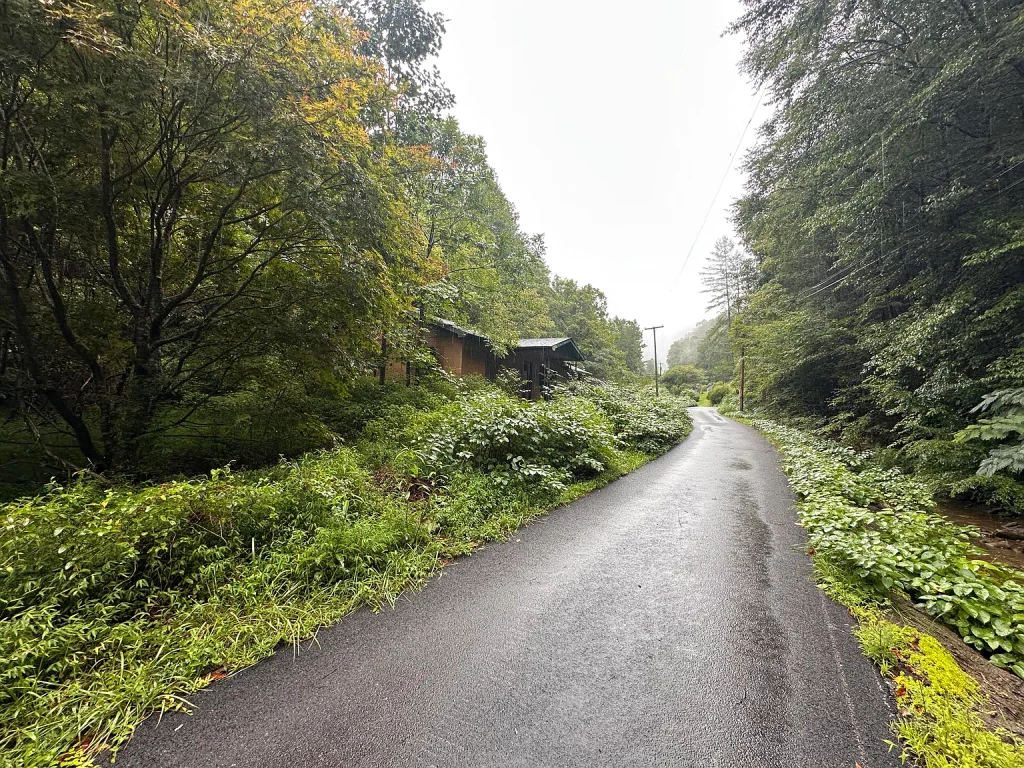
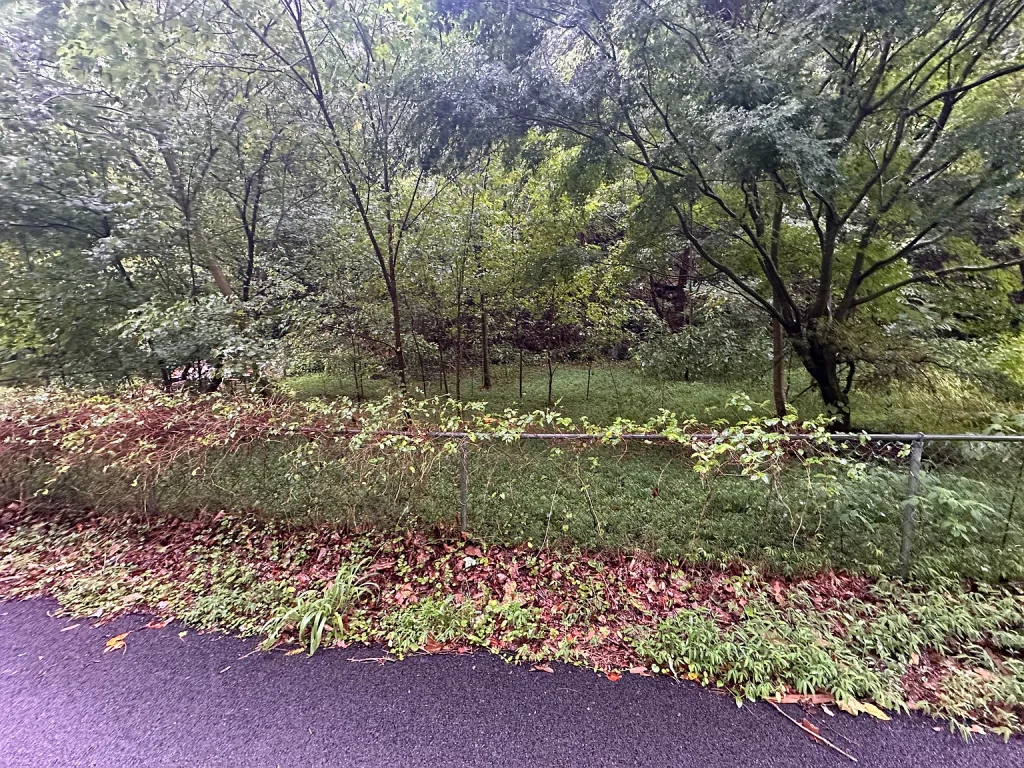
The listing photographs show dense vegetation, mature trees, and a rural setting.
Depending on the terrain and applicable regulations, portions of the property could potentially be used for walking trails, wildlife observation, or other recreational activities.
However, prospective buyers should remember that acreage alone does not determine how a property can be used.
Some sections may be steep, difficult to reach, or unsuitable for construction.
Understanding the land’s actual topography is essential.
Approximately 73 Surveyed Acres
One important detail is that the property is advertised as surveyed.
A survey can provide valuable information about the parcel’s boundaries and legal description.
For buyers considering a large tract, clearly established boundaries are especially important.
They help identify the extent of ownership and may reveal relationships with neighboring properties, roads, and potential easements.
However, buyers should request the actual survey document rather than relying solely on the advertised acreage.
The survey should be reviewed alongside the deed and title records.
Any discrepancies should be resolved before purchasing.
A professional surveyor may also be able to help clarify access routes and other important boundary questions.
A Wooded Appalachian Mountain Setting
Eastern Kentucky’s mountain landscape is one of the property’s defining characteristics.
The area surrounding Elkhorn City features wooded slopes, narrow valleys, and winding roads.
These natural features can create attractive scenery and a sense of separation from more densely developed areas.
For someone who enjoys outdoor recreation, a wooded tract may provide opportunities to explore the landscape and observe seasonal changes.
During autumn, hardwood forests can produce colorful displays as leaves change.
Spring and summer bring thick vegetation and green hillsides.
However, wooded mountain land also requires maintenance.
Fallen trees, erosion, overgrown vegetation, and drainage problems can affect access and usability.
A buyer should evaluate the property throughout the seasons whenever possible.
An Older House Is Already on the Property
The parcel includes an existing house, but it is important to understand its condition as described by the seller.
According to the listing, the older structure has no assigned value and will need to be removed.
This means the property should not be treated as a conventional house-and-land purchase.
The building is not being advertised as a move-in-ready residence.
It also should not automatically be considered a practical renovation project.
Depending on its condition, removal may involve demolition equipment, debris disposal, and additional site preparation.
Buyers should investigate the building’s size, materials, and structural condition before estimating demolition costs.
Older buildings can also contain materials that require specialized handling.
Professional inspections may be necessary to identify potential hazards.
Why Demolition Costs Matter
The $115,000 asking price is only the starting point for someone planning to build a new home.
Removing an older structure can create significant additional expenses.
The total cost depends on the building’s size, construction materials, accessibility, and local disposal requirements.
A demolition contractor may need to remove the structure, transport debris, and prepare the site for future use.
Permits may also be required.
If the building contains asbestos, lead-based materials, or other regulated substances, removal could become more complicated.
Prospective buyers should obtain estimates from qualified contractors before making an offer.
The cost of demolition should be included in any realistic development budget.
Electricity Is Reportedly Available
One of the property’s potential advantages is the reported availability of electricity.
For rural land, access to electrical infrastructure can be an important consideration.
Properties without nearby service may require expensive line extensions or alternative power systems.
The listing indicates that electricity is available on this parcel.
However, that does not necessarily mean electrical service is active or ready for a new residence.
Buyers should determine whether an existing meter is present, whether service lines are functional, and whether upgrades would be necessary.
They should also contact the utility provider to verify connection costs and capacity.
If the old house is demolished, existing electrical equipment may need to be disconnected, relocated, or replaced.
Public Water Is Also Reportedly Available
The listing identifies public water availability.
For buyers considering a future homesite, this could be a meaningful benefit.
In many rural locations, homeowners must install and maintain private wells.
A reliable public water connection may eliminate some of the uncertainty associated with groundwater availability.
However, buyers should confirm whether the service is already connected and operational.
They should also determine whether any existing water line can be reused after the older house is removed.
Connection fees, meter requirements, and line repairs could affect the final development cost.
The presence of public water infrastructure should be viewed as a potential advantage rather than a guarantee of immediate service.
Sewer Service May Reduce Development Challenges
Another noteworthy feature is the reported availability of sewer service.
Rural properties often rely on private septic systems.
Installing a new septic system can require soil evaluations, permits, and professional design.
If a suitable sewer connection is available, it could simplify certain aspects of a future building project.
However, the listing does not establish whether the sewer service is active, connected, or approved for a new residence.
Buyers should contact the appropriate utility authority.
They should confirm the location of the sewer line, available capacity, connection fees, and any required improvements.
A new building may require different connections from those serving the older house.
Could You Build a New Home Here?
One potential use for this property is a future rural residence.
With 73 acres, buyers may be interested in creating a private homesite surrounded by wooded countryside.
However, building possibilities depend on much more than the amount of land.
The first step would be identifying an appropriate location for construction.
A suitable site needs legal access, manageable slopes, adequate drainage, and compliance with applicable regulations.
The listing identifies the property’s zoning as A-1.
Buyers should contact local authorities to confirm what that classification permits.
They should also investigate building setbacks, driveway requirements, grading restrictions, and utility connections.
The existing house does not guarantee that a replacement residence can be constructed in exactly the same location.
How Much of the Land Is Actually Usable?
This is one of the most important questions for any mountain property.
A 73-acre parcel may contain a combination of gentle slopes, steep hillsides, wooded ridges, and drainage areas.
Some sections could be suitable for recreational use but difficult to develop.
Other portions may require extensive grading or clearing before construction.
Buyers should not assume that all 73 acres can support homes, barns, or agricultural activities.
A topographic review can help identify potential building areas.
An on-site inspection can also reveal conditions that may not be visible in listing photographs.
The amount of usable land can have a major effect on the property’s practical value.
Road Access and Transportation
The property is located along Road Creek in the Elkhorn City area.
Published listing photographs show a paved rural road near the existing structure.
This may be more convenient than land reached only by a long private dirt road.
However, buyers should verify the legal access rights and road frontage.
They should also determine how different parts of the acreage can be reached.
A road serving the older house may not provide convenient access to a future building site farther into the property.
Constructing additional driveways or internal roads could require grading, drainage improvements, and permits.
Mountain roads can also be affected by heavy rainfall and winter weather.
Access should be evaluated before choosing a building location.
Recreational Opportunities on the Acreage
For buyers who enjoy outdoor activities, a wooded tract of this size may be appealing.
Depending on the land’s condition, it could offer space for hiking, exploring, nature photography, and wildlife observation.
A future owner might consider establishing walking trails or maintaining existing natural paths.
However, clearing or constructing trails should be planned with attention to slopes, drainage, and environmental restrictions.
The property may also interest hunting enthusiasts, although the listing does not establish wildlife populations or guarantee hunting opportunities.
Anyone planning to hunt should follow Kentucky regulations and verify boundaries.
The land’s recreational potential depends on access, terrain, and permitted uses.
Could the Land Be Used for a Cabin Retreat?
Another possibility is creating a private cabin retreat.
A buyer might prefer a smaller recreational structure rather than a large permanent home.
The wooded mountain setting could be attractive for occasional visits.
However, constructing a cabin would still require compliance with applicable rules.
Permits, sanitation arrangements, water service, electricity, and access would need to be addressed.
The availability of utilities may help, but buyers should not assume that every proposed location can be connected easily.
A cabin built deep within the acreage could require additional infrastructure.
The feasibility and cost should be established before construction begins.
What About Farming or Homesteading?
Some buyers may be interested in using the land for small-scale agricultural activities.
The A-1 zoning designation may suggest agricultural uses, but the exact permitted activities need confirmation.
Mountainous terrain can limit the amount of land suitable for fields, gardens, or livestock.
Steep slopes may be difficult to cultivate or fence.
Soil quality, sunlight, water access, and drainage are also important.
Buyers interested in homesteading should identify the portions of the property that could realistically support their plans.
The availability of public water may be helpful, but it does not guarantee sufficient capacity for every agricultural use.
Any livestock or commercial farming plans should be checked against local requirements.
Timber and Natural Resources
The property’s wooded character may interest buyers who appreciate forested land.
However, the listing does not provide a professional timber inventory.
It would be inappropriate to assume that the parcel contains commercially valuable timber without an assessment.
Tree species, age, accessibility, and harvesting restrictions all influence timber value.
A consulting forester could help evaluate the woodland if timber management is part of a buyer’s plans.
Mineral rights should also be investigated separately.
In parts of Appalachia, surface ownership and mineral ownership may be divided.
Buyers should review the title documents to determine exactly which rights are included.
Understanding the $115,000 Asking Price
At the advertised asking price of $115,000, the property costs approximately $1,575 per acre.
That calculation is straightforward:
$115,000 divided by 73 acres equals approximately $1,575.34 per acre.
For buyers comparing large land parcels, this figure provides a useful starting point.
However, it does not establish the property’s market value.
Two tracts with similar acreage can have very different prices because of terrain, access, utilities, location, and development potential.
The existing house requiring removal is another factor.
A buyer should compare this property with recent sales of similar wooded mountain parcels in Pike County.
The total cost of making the land suitable for its intended use matters more than the asking price alone.
Listed in August 2026
Published MLS records identify August 28, 2026, as the property’s listing date.
The advertised price is $115,000.
The listing is associated with MLS number 26023529 and is marketed through United Real Estate Bluegrass.
The property is classified as unimproved land.
Recent real estate platforms have continued to display the property as available for sale, although listing status can change.
Prospective buyers should confirm availability directly with the listing agent before making plans.
Important Questions Before Buying
Anyone considering this property should investigate several practical issues.
First, request the survey and confirm the boundaries.
Second, determine how much of the acreage is accessible and suitable for the intended use.
Third, obtain estimates for removing the existing house.
Fourth, verify the status of electricity, public water, and sewer service.
Fifth, review the zoning rules and building requirements.
Buyers should also investigate title, easements, mineral rights, drainage, and any environmental limitations.
These details can have a significant effect on the property’s future value and usefulness.
A relatively low asking price does not eliminate the need for thorough due diligence.
Who Might Be Interested in This Kentucky Land?
The property may appeal to buyers searching for substantial acreage in eastern Kentucky.
Someone interested in a private country homesite might appreciate the wooded surroundings.
An outdoor enthusiast may be attracted to the possibility of exploring 73 acres.
A buyer seeking a long-term landholding could find the size of the parcel interesting.
The reported utility availability may also distinguish the property from completely undeveloped rural tracts.
However, the land is not ideal for someone seeking a finished home.
The existing structure requires removal, and the amount of usable acreage remains uncertain.
The best buyer would be someone prepared to evaluate the property carefully and budget for the improvements required.
Final Thoughts: 73 Acres for $115,000 in Kentucky
This Elkhorn City property offers a combination that may catch the attention of rural land buyers.
For $115,000, the advertised offering includes approximately 73 surveyed acres in a wooded Appalachian setting.
Electricity, public water, and sewer are reportedly available, potentially providing a useful starting point for future development.
However, the older house is considered to have no value and needs to be removed.
The property’s terrain, legal access, utility connections, and permitted uses should also be investigated before purchase.
At approximately $1,575 per acre, this Kentucky mountain property offers substantial acreage at a relatively modest advertised price, but its actual potential depends on the condition and usability of the land.
For buyers interested in a rural homesite, private recreational property, or long-term land ownership, the listing may be worth exploring further.
Property details are based on published MLS information. Buyers should independently verify current availability, price, acreage, utilities, boundaries, zoning, building possibilities, mineral rights, and demolition requirements before purchasing.