

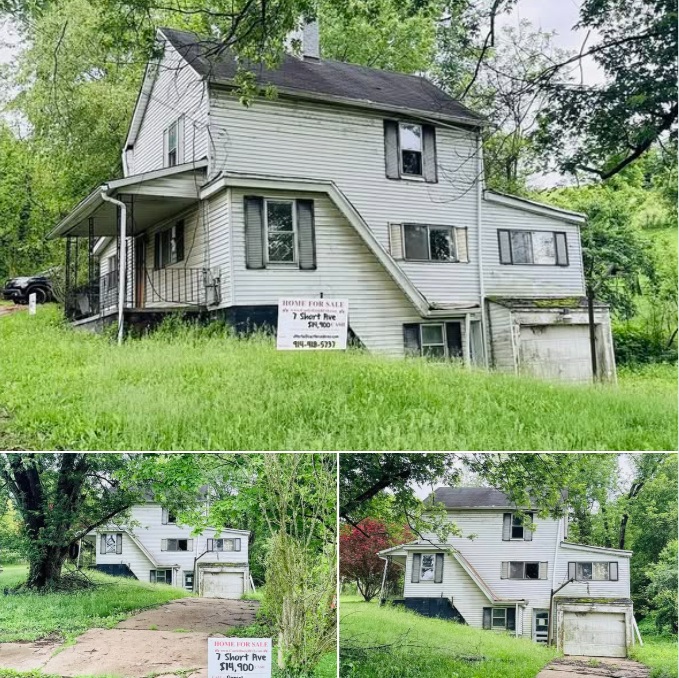
Pennsylvania Home on 0.27 Acres Listed for Just $5,900 After a Massive Price Reduction!
Finding a property advertised for less than $6,000 is enough to attract attention, especially when it includes an existing house and a parcel of land. In Washington, Pennsylvania, a century-old property has been offered for just $5,900, following a series of substantial price reductions.
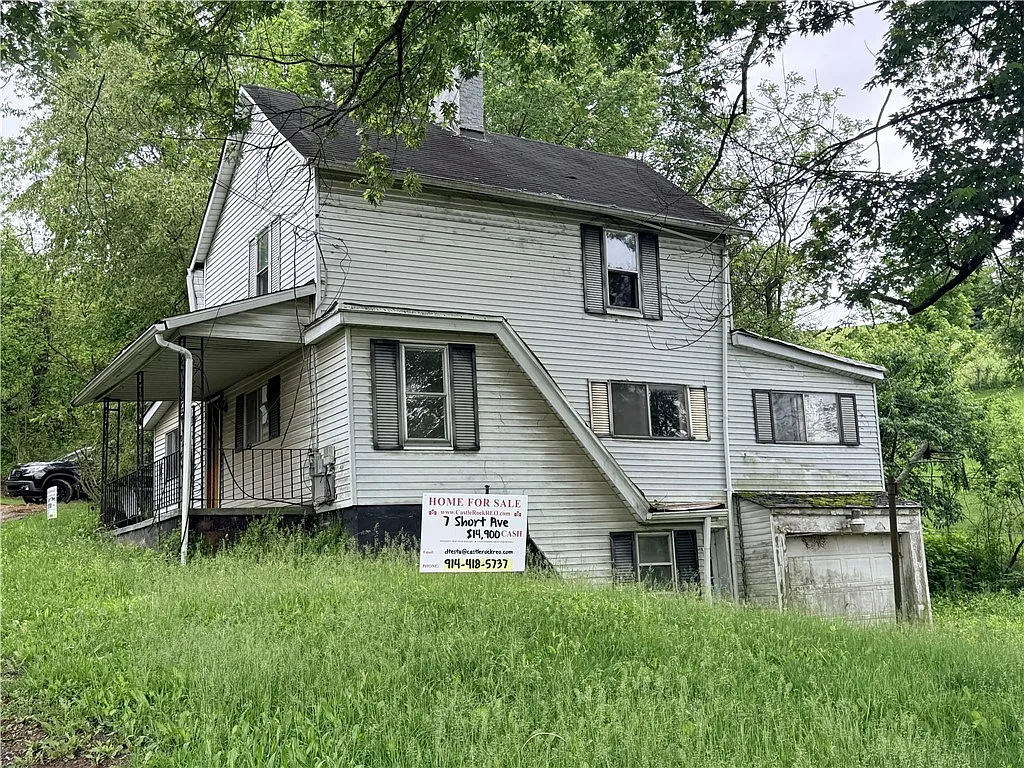
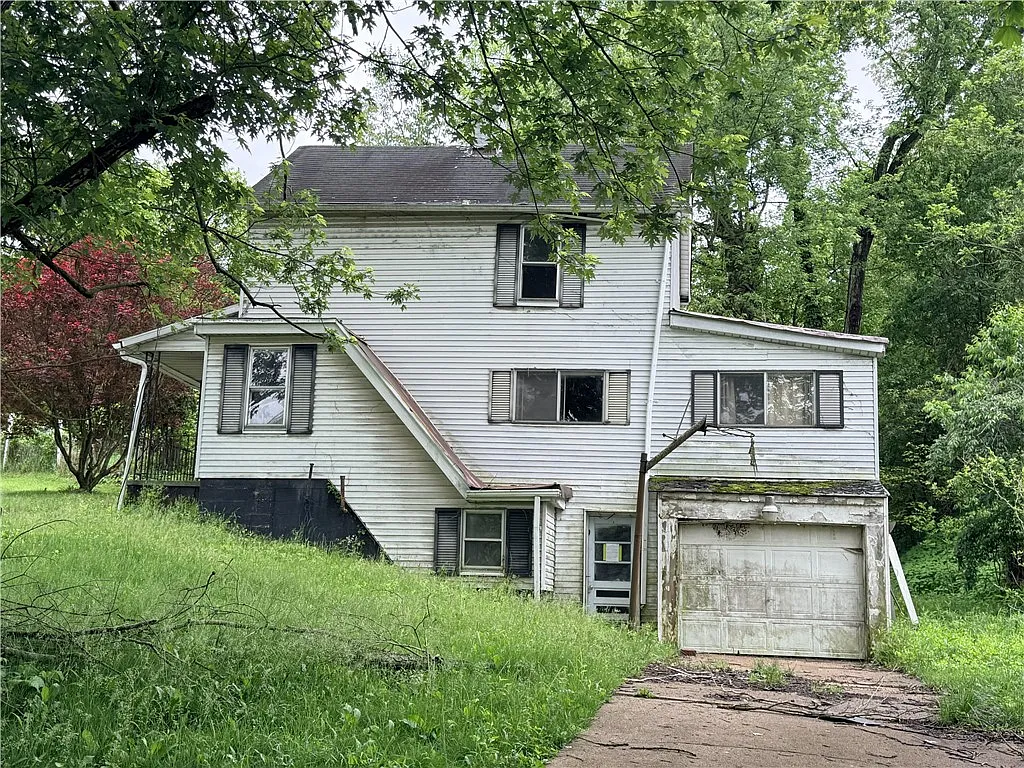
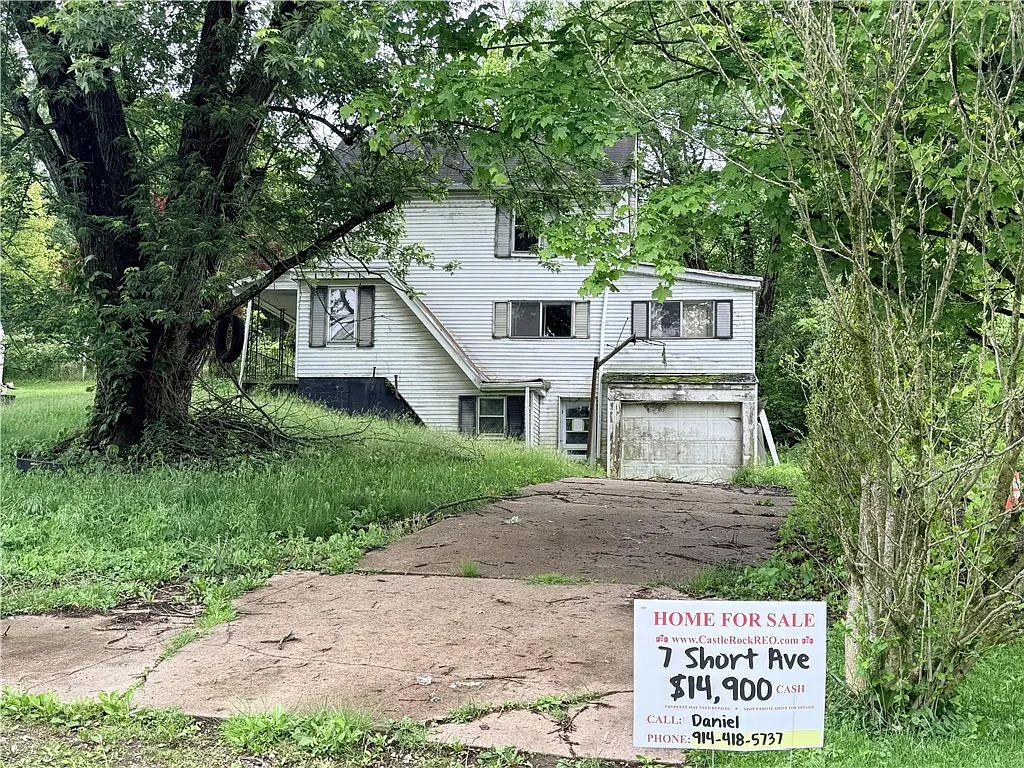
Located at 7 Short Avenue, Washington, PA 15301, the property includes a two-bedroom, one-bathroom house with approximately 1,327 square feet of reported interior space on a 0.27-acre lot.
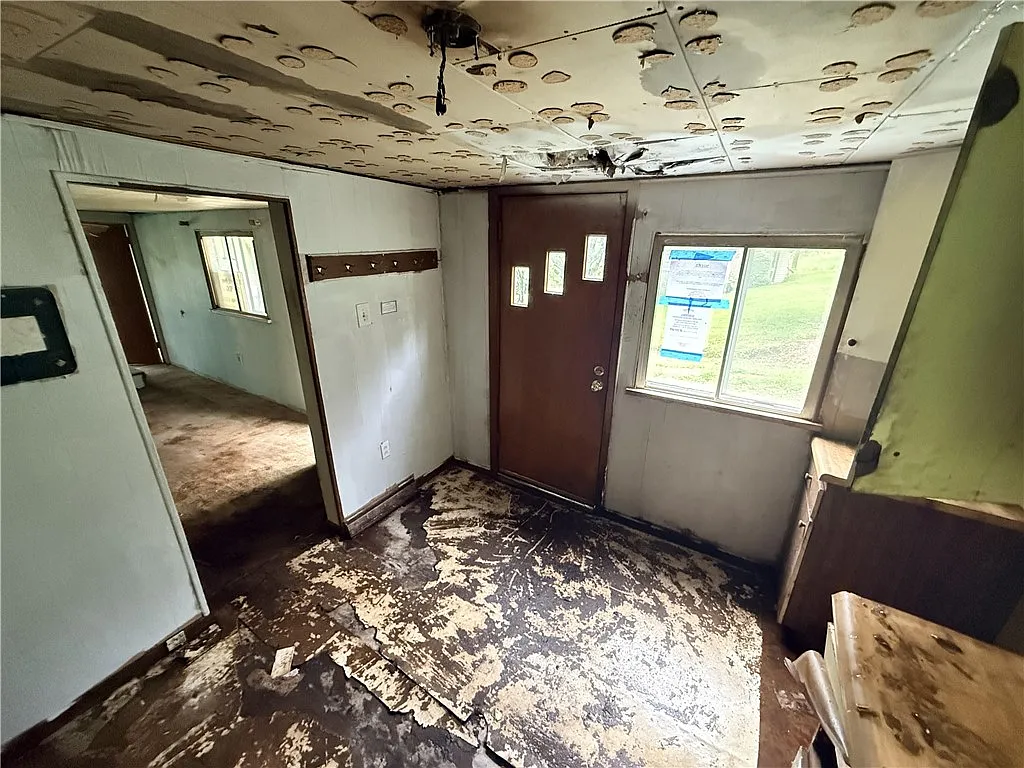
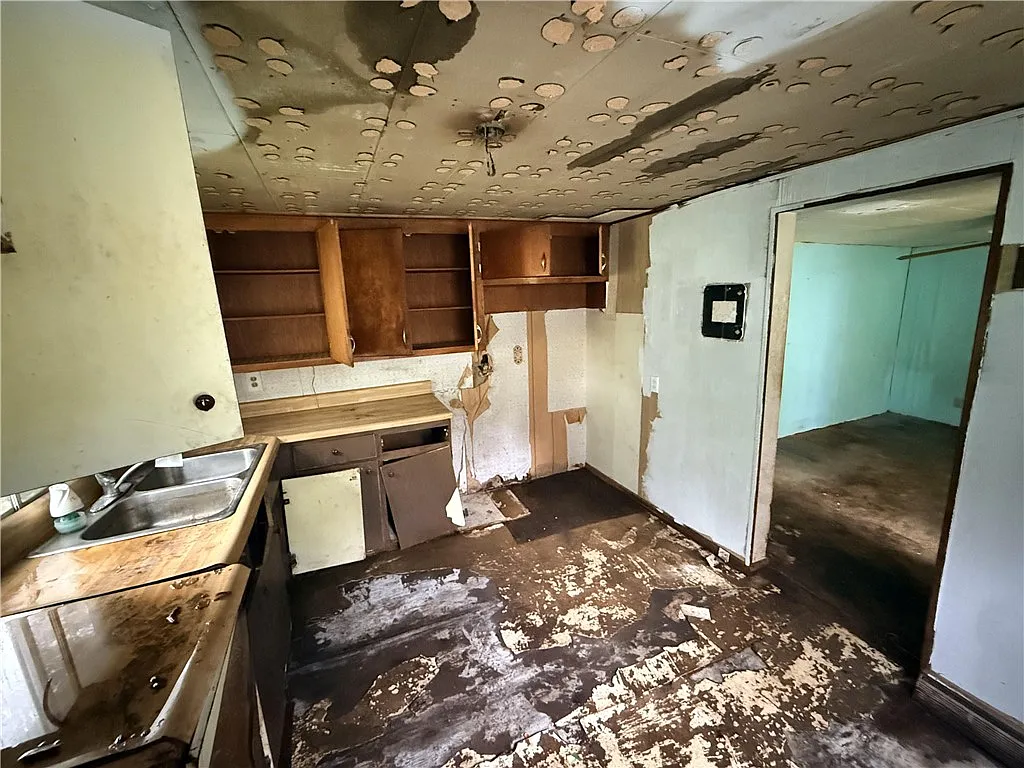
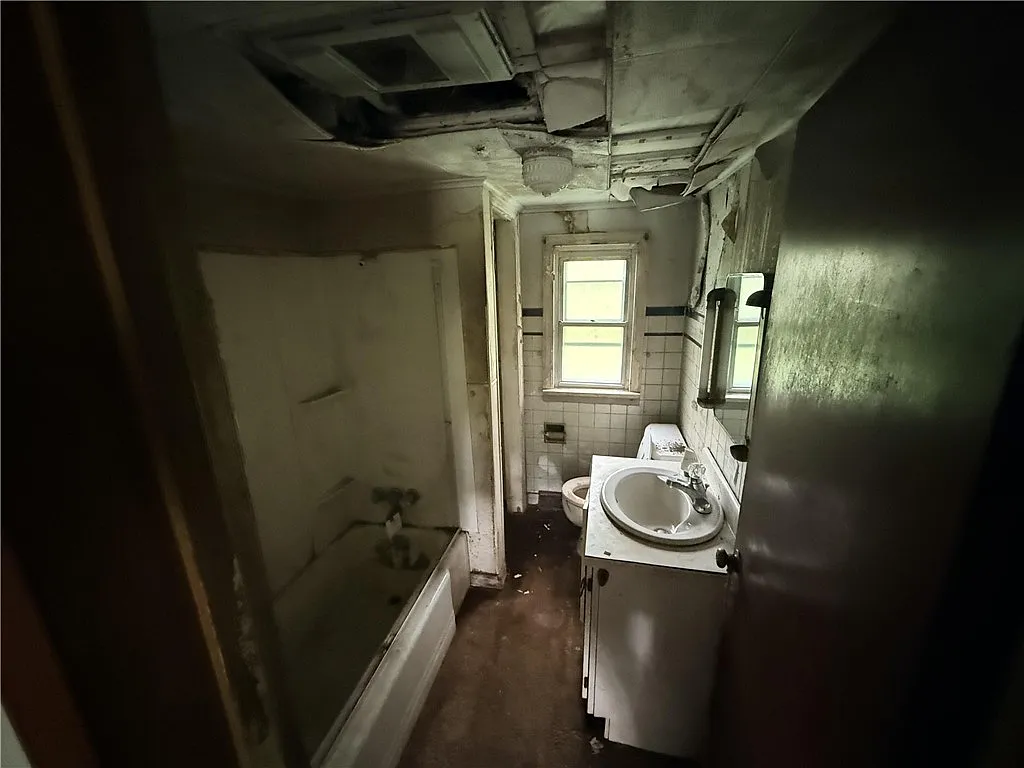
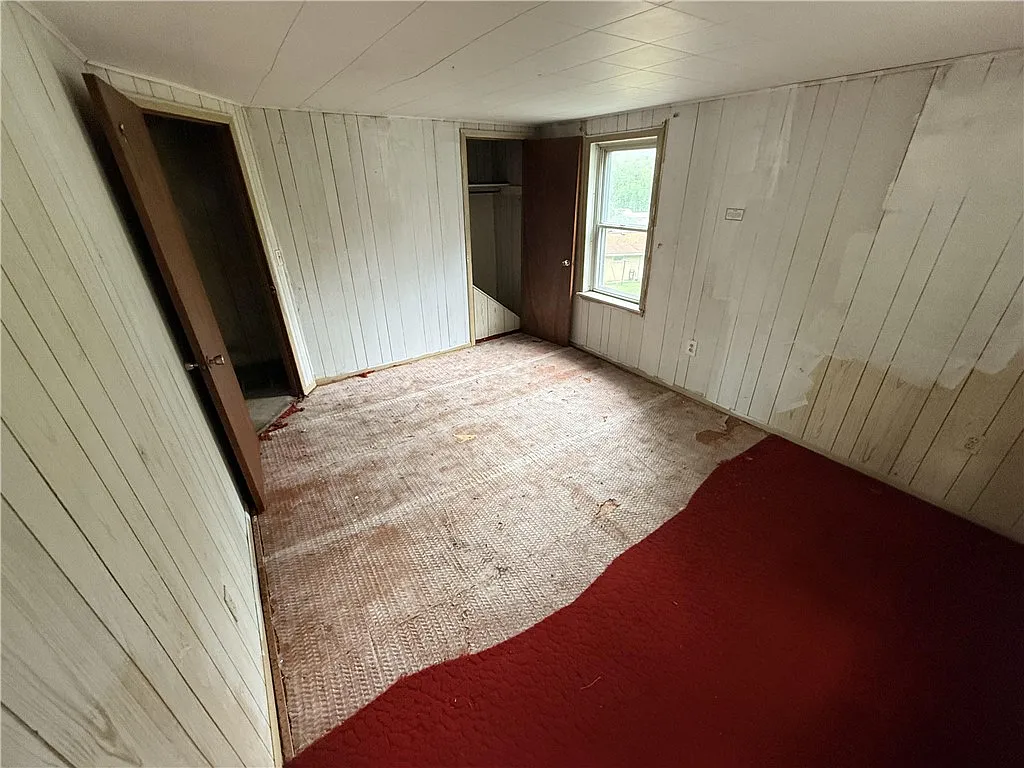
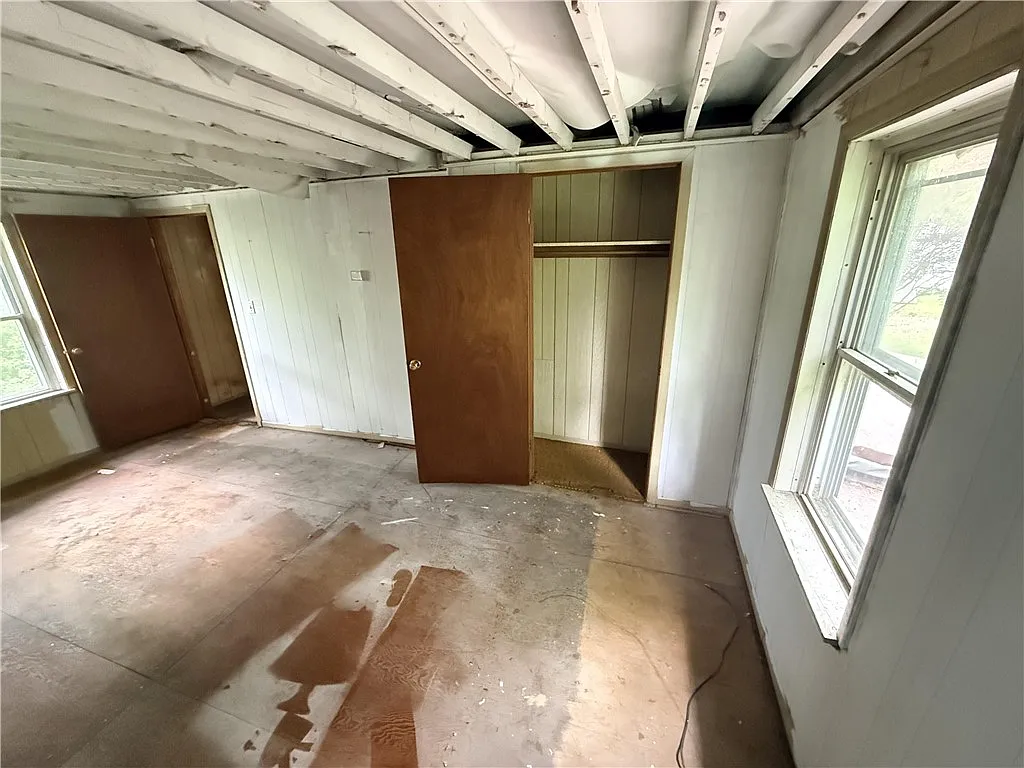
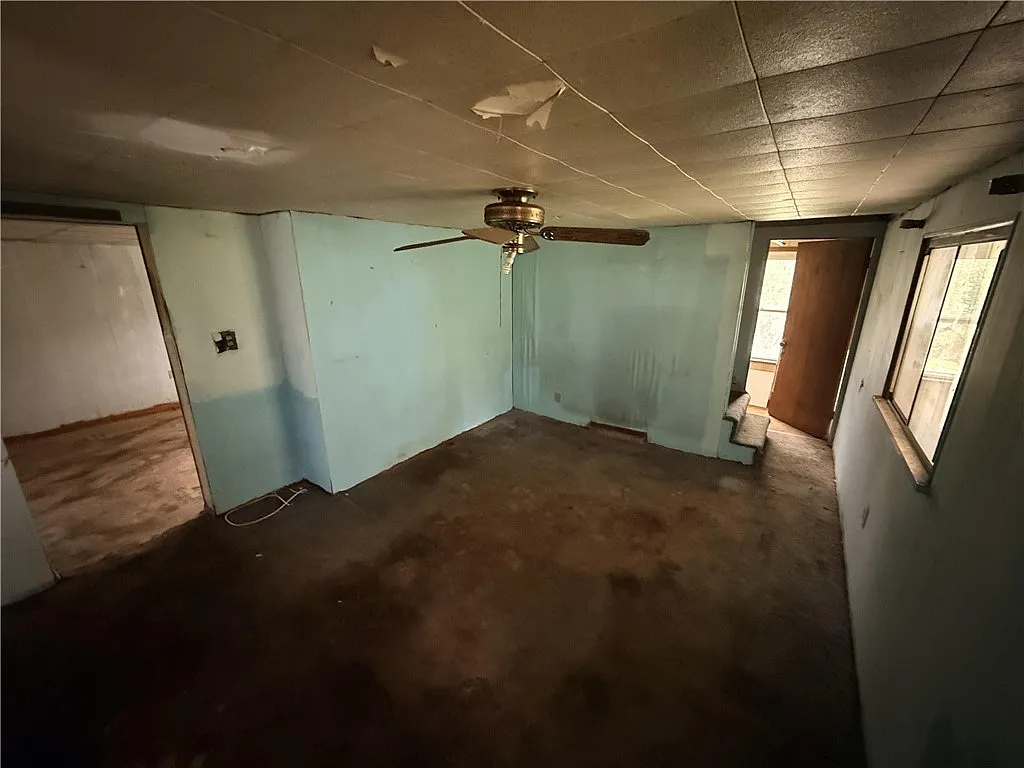
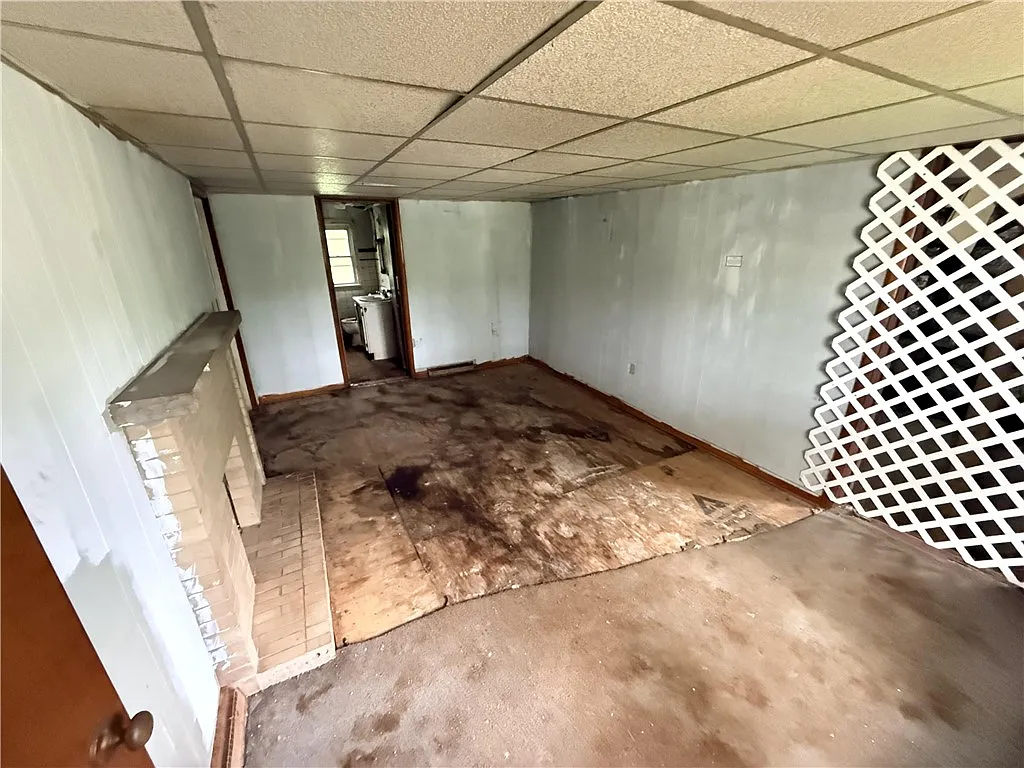
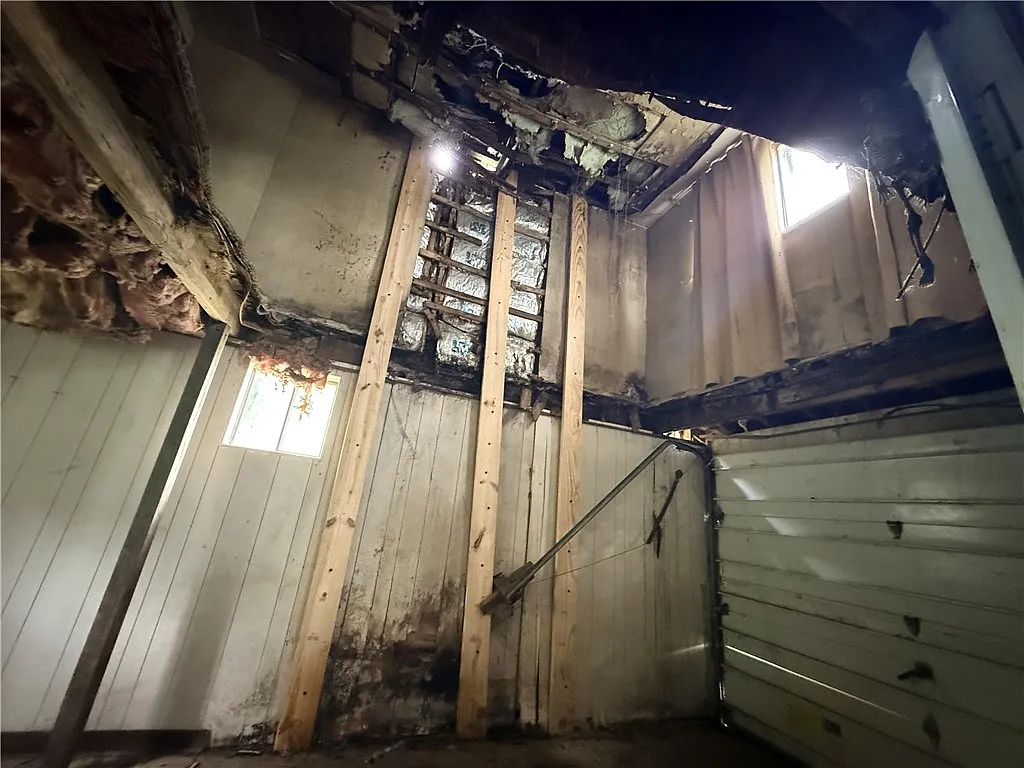
However, this is not a typical affordable home. The existing structure has extensive damage, including collapsed ceilings and compromised flooring, and is being marketed primarily for its land value.
For buyers interested in inexpensive real estate, redevelopment projects, or purchasing land with an existing structure, the property presents an unusual opportunity that requires careful investigation.
A Pennsylvania Property for Just $5,900
The most attention-grabbing feature of this listing is undoubtedly its asking price.
At $5,900, the property costs less than many used vehicles, making it stand out among conventional residential listings.
The house was originally constructed in 1904, giving it more than 120 years of history.
It is officially described as having two bedrooms, one bathroom, and approximately 1,327 square feet.
The lot measures approximately 11,931 square feet, equivalent to about 0.27 acres.
Although these figures might initially suggest an exceptionally inexpensive residence, the property’s condition tells a different story.
The house is not suitable for immediate occupancy, and its future may depend more on the value and development potential of the land than on the existing building.
A Significant Price Reduction
Another interesting aspect of the property is its pricing history.
According to published listing information, the house was advertised for $14,900 in May 2026.
Its price was subsequently reduced several times, passing through asking prices of $12,900, $9,900, and $7,900 before reaching $5,900 in September.
That represents a total reduction of $9,000, or approximately 60.4%, from the original May asking price.
For buyers monitoring inexpensive real estate, such a reduction can be eye-catching.
However, a falling asking price does not necessarily indicate an undervalued property.
In this case, the substantial structural damage and potential demolition costs are major factors to consider.
The reduced price may reflect the limited number of buyers willing to undertake such a complicated project.
A House Built in 1904
The existing residence dates back to the early twentieth century.
Homes from this period can sometimes feature distinctive architectural details and traditional construction methods.
However, the age of a property can also create maintenance challenges, particularly when the building has experienced prolonged deterioration.
The listing describes serious structural problems throughout portions of the interior.
These include collapsed ceilings, damaged flooring, and areas that have been boarded off because of safety concerns.
Such conditions are considerably more serious than ordinary cosmetic problems.
Replacing flooring, painting walls, or installing new cabinets would not address the underlying structural issues.
A qualified structural engineer would need to determine whether the building could be stabilized and rehabilitated safely.
Until that assessment is completed, the reported square footage should not be treated as usable living space.
Why the Existing Structure May Need Demolition
The property is being marketed primarily for land value, with the existing house described as a potential tear-down.
That distinction is important.
A conventional fixer-upper may need new flooring, appliances, plumbing fixtures, or roofing.
This property reportedly has damage affecting the structural integrity of the building itself.
Collapsed ceilings and compromised floors can indicate serious problems involving framing, moisture exposure, deterioration, or other underlying conditions.
The exact causes have not been independently established.
For some buyers, demolishing the existing structure and investigating the possibility of new construction may be more practical than attempting restoration.
However, demolition is not necessarily simple or inexpensive.
It can involve permits, utility disconnections, environmental testing, specialized equipment, debris removal, and site restoration.
Because the house was built in 1904, buyers should also investigate whether hazardous building materials are present before beginning demolition.
The total cost could be many times the advertised purchase price.
Approximately 0.27 Acres of Land
While the house itself presents major challenges, the parcel may be the property’s most interesting feature.
The approximately 0.27-acre lot provides 11,931 square feet of land.
For a buyer considering redevelopment, this creates an opportunity to investigate whether the site could accommodate a replacement home or another permitted use.
The existing residential setting may be appealing to someone who prefers an established neighborhood rather than an undeveloped rural parcel.
However, the presence of a house does not automatically guarantee that a new structure can be built in the same location.
Current zoning, setbacks, access requirements, utility regulations, and other development standards may affect future plans.
Prospective buyers should contact the appropriate local planning and zoning authority before purchasing.
A Quiet Setting Near Washington, Pennsylvania
The listing describes the property as being situated in a peaceful area with well-maintained neighboring homes.
It also highlights access to shopping and other amenities in the broader Washington area.
Washington is located in southwestern Pennsylvania, within reach of Pittsburgh and several smaller communities.
For buyers interested in redevelopment, the surrounding neighborhood is an important consideration.
Nearby property conditions, recent sales, local housing demand, and infrastructure can influence whether a construction project makes financial sense.
An investor should evaluate the exact neighborhood rather than relying solely on regional averages.
Visiting the property and researching comparable sales would provide a clearer picture of its potential.
Could a New Home Be Built Here?
One possibility worth investigating is whether the existing house could be removed and replaced with a new residence.
For buyers who prefer to design a home from the ground up, purchasing an inexpensive parcel with an existing structure may initially seem attractive.
A replacement home could potentially offer modern construction, updated utilities, improved energy efficiency, and a layout designed around contemporary needs.
However, none of those possibilities is guaranteed.
Before moving forward, buyers would need to establish whether the lot meets current requirements for residential construction.
They should also investigate whether the existing foundation can be reused or whether complete removal would be required.
Other considerations include drainage, grading, access for construction equipment, utility connections, and building permits.
The financial feasibility of redevelopment would depend on the combined cost of purchasing the property, clearing the site, and constructing a new building.
Existing Utilities Need Verification
Properties containing older houses sometimes have existing connections to electricity, water, or sewer infrastructure.
These connections can potentially be useful during redevelopment.
However, buyers should never assume that existing utility systems are active, safe, or suitable for a new building.
A replacement residence may require updated service connections, inspections, or entirely new infrastructure.
The electrical system should be evaluated by a qualified professional.
Water and sewer connections should also be confirmed with the relevant providers.
If demolition is planned, utilities generally need to be properly disconnected before work begins.
Obtaining written information about these requirements can help prevent unexpected expenses.
Cash Buyers Only
Another important condition is that the property is advertised for cash buyers only.
This requirement limits the pool of potential purchasers.
Traditional mortgage lenders generally require properties to meet minimum condition and safety standards.
A severely damaged structure may not qualify for conventional residential financing.
Cash buyers may have more flexibility, but they also assume substantial financial risk if the cost of demolition or redevelopment is underestimated.
Before committing funds, buyers should obtain professional assessments and calculate the complete project budget.
Property Taxes and Ongoing Expenses
Although the advertised purchase price is only $5,900, the property reportedly carries annual taxes of approximately $1,576.
That is a significant expense relative to the initial asking price.
The reported tax-assessed value is approximately $85,900, although an assessed value should not be confused with the property’s current market value.
Buyers should confirm the current tax obligation, assessment, and any outstanding balances with the appropriate authorities.
They should also investigate whether demolition or redevelopment could affect future assessments.
Other potential expenses include insurance, property maintenance, securing the damaged building, vegetation management, municipal compliance, and professional inspections.
Even if a buyer does not immediately begin construction, ongoing ownership costs can accumulate.
Understanding the Real Cost of the Project
The $5,900 asking price represents only the potential acquisition cost.
A buyer planning redevelopment would need to budget for several additional expenses.
These may include title work, closing costs, structural evaluation, demolition permits, hazardous-material testing, utility disconnections, debris removal, grading, new construction, and inspections.
Unexpected conditions can increase expenses further.
For example, if demolition and site preparation cost $25,000, the buyer would already have invested $30,900 before beginning construction, excluding closing costs and other charges.
If those expenses reached $40,000, the combined purchase and preparation cost would rise to $45,900.
These are hypothetical examples, not estimates for this particular property.
Actual costs should be determined through professional inspections and written contractor quotations.
Could This Be an Investment Opportunity?
The property’s extremely low price may attract real estate investors searching for unusual opportunities.
Some investors specialize in distressed properties, vacant land, demolition projects, and redevelopment.
For an experienced buyer, the key question is whether the parcel’s eventual value could justify the total investment required.
That calculation involves more than comparing the asking price with nearby homes.
A buyer would need to research recent land sales, zoning regulations, construction costs, and local demand.
They should also consider the time required to obtain permits and complete work.
If the completed project cannot be sold or rented for enough to recover the total investment, the low purchase price provides little protection against a financial loss.
Important Safety Considerations
Because the existing building reportedly has severe structural damage, safety should be a priority.
Collapsed ceilings and compromised floors can create dangerous conditions, particularly when portions of a structure are inaccessible.
Prospective buyers should not enter boarded-off areas or attempt to inspect unstable sections without appropriate professional assistance.
A structural engineer or qualified inspector can help assess the building’s condition and identify potential hazards.
Older construction may also contain materials requiring specialized handling.
Environmental concerns, drainage problems, foundation deterioration, and possible pest damage should all be considered.
The property’s condition makes professional due diligence especially important.
What Makes This Listing Different?
Most affordable housing listings focus on features such as bedrooms, bathrooms, square footage, and interior improvements.
This property is different because the existing house may have little practical value in its present condition.
Its appeal centers on the possibility of acquiring a parcel of land at a low initial price.
The 0.27-acre lot, existing residential location, and reported price reduction are the primary factors likely to attract interest.
However, the potential for redevelopment remains dependent on zoning approval, site conditions, and financial feasibility.
For buyers who understand those limitations, the property may be worth researching.
For someone simply searching for a cheap house to move into, it would not be an appropriate choice.
Final Thoughts
This Pennsylvania property demonstrates why extremely low real estate prices deserve careful examination.
Located at 7 Short Avenue in Washington, the property includes approximately 0.27 acres and an existing 1904 house with two bedrooms, one bathroom, and 1,327 square feet of reported interior space.
Its advertised asking price of $5,900 follows a substantial reduction from $14,900.
However, the existing structure has serious reported damage and is considered a potential demolition candidate.
Rather than viewing it as an inexpensive move-in-ready home, prospective buyers should evaluate it as a possible land acquisition or redevelopment project.
The most important factors include zoning, demolition costs, utility conditions, property taxes, and the potential value of any future improvements.
For a buyer with sufficient funds, professional guidance, and a realistic development plan, this unusual Pennsylvania listing could be worth investigating.
The opportunity lies not in the damaged house itself, but in determining what may legally and economically be possible with the land.
View the original 7 Short Ave listing on Zillow
