

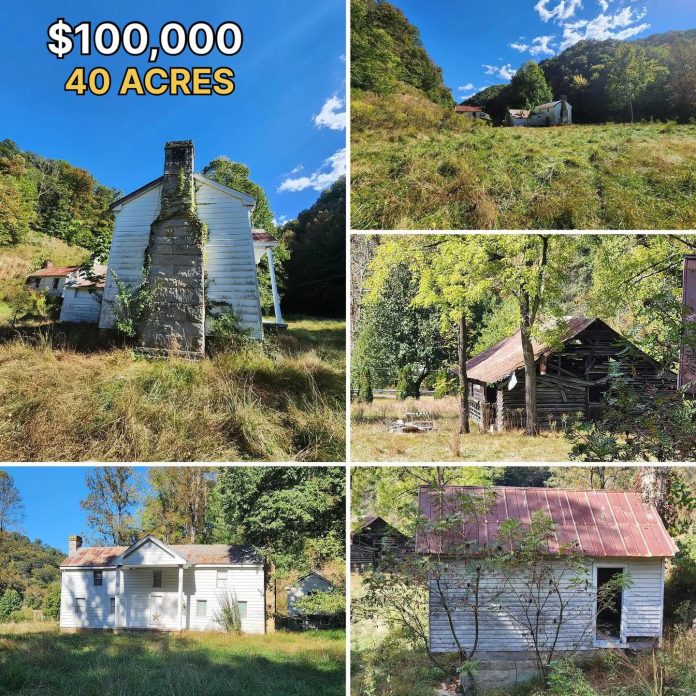
40 Acres, an 1890 Farmhouse & Historic Barns in Virginia for Just $100,000!
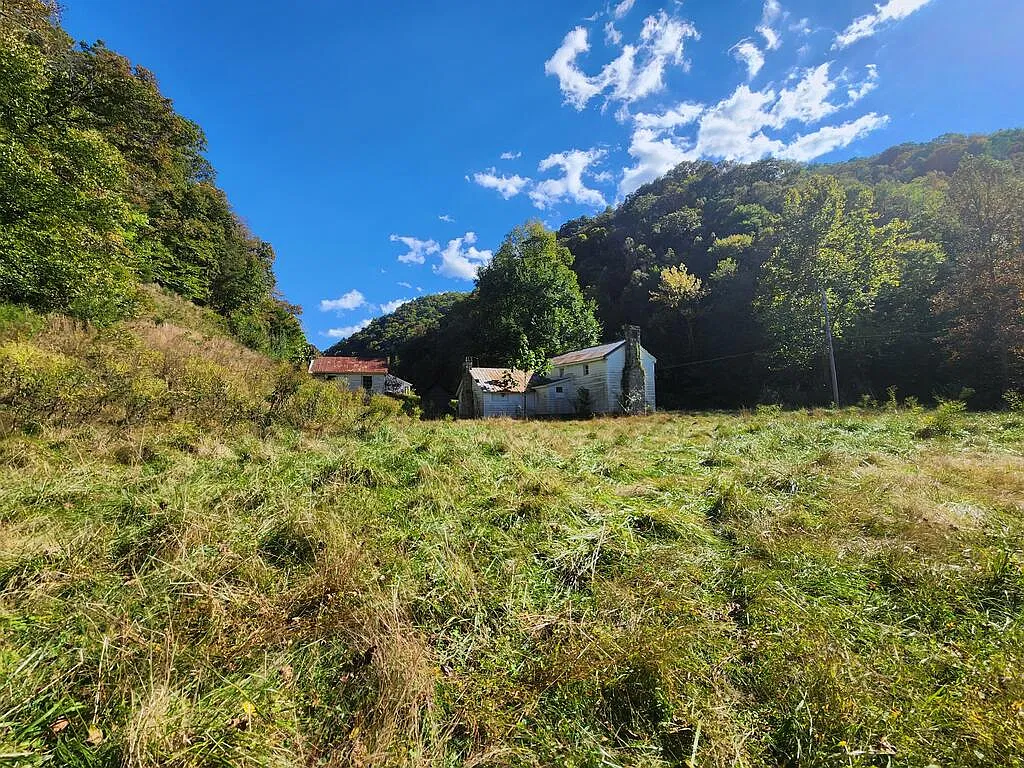
Imagine owning more than 40 acres in the beautiful countryside of southwestern Virginia, complete with a historic farmhouse dating back to 1890, an old barn, a former dairy building, and wooded hills surrounding the property. For anyone dreaming of restoring an old country home or creating a private rural retreat, this unusual listing offers an opportunity worth exploring.
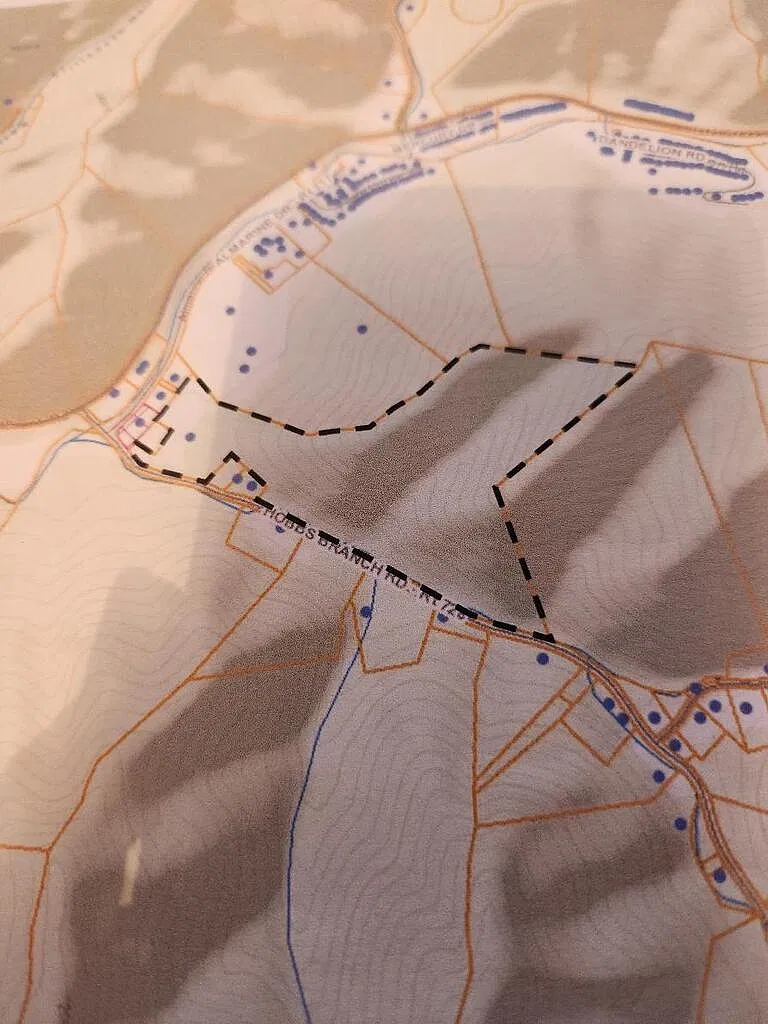
Located along Hobbs Branch Road near Grundy, Virginia, the property is advertised for $100,000. It includes approximately 40.09 acres in Buchanan County, offering a combination of relatively level bottomland, rolling hills, and wooded terrain.
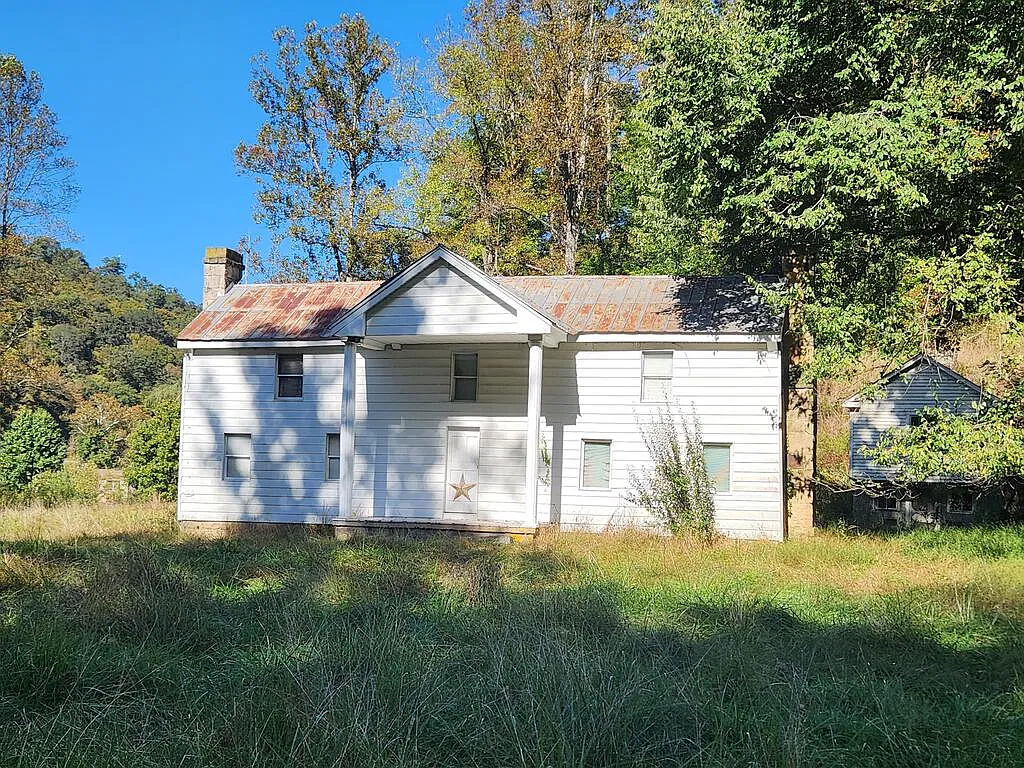
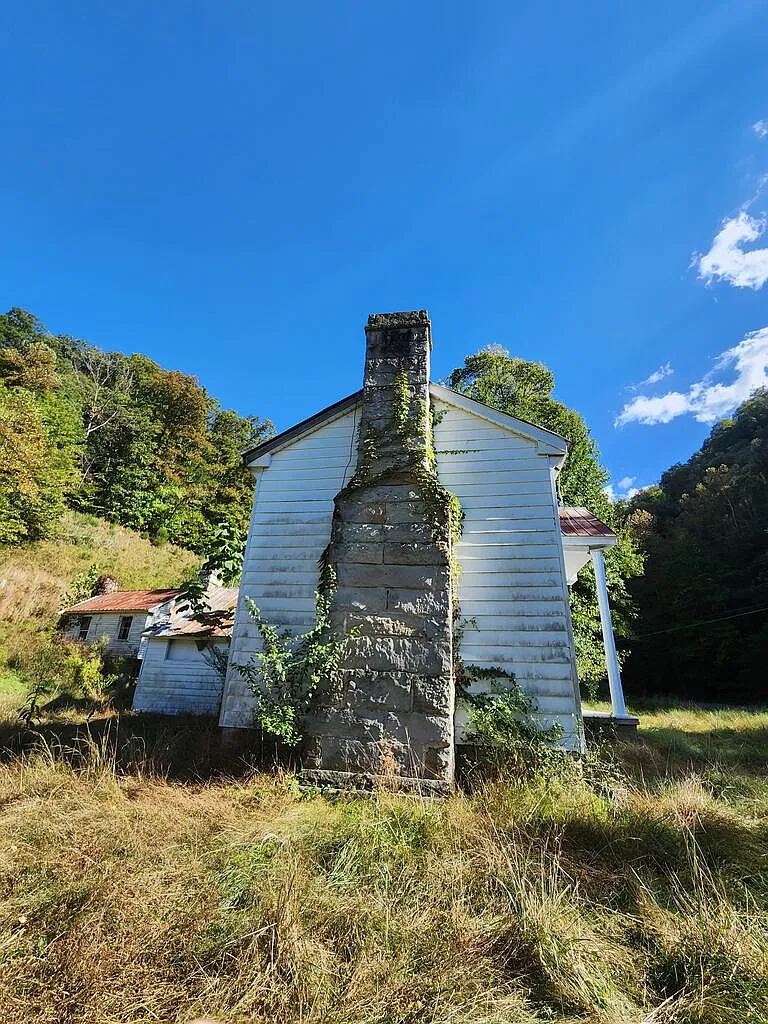
At the center of the property stands a two-story farmhouse believed to have been constructed around 1890. The residence is listed with three bedrooms, one bathroom, and approximately 2,000 square feet of interior space.
The property also includes a traditional barn, a former dairy building, and another agricultural outbuilding, providing a glimpse into its farming history.
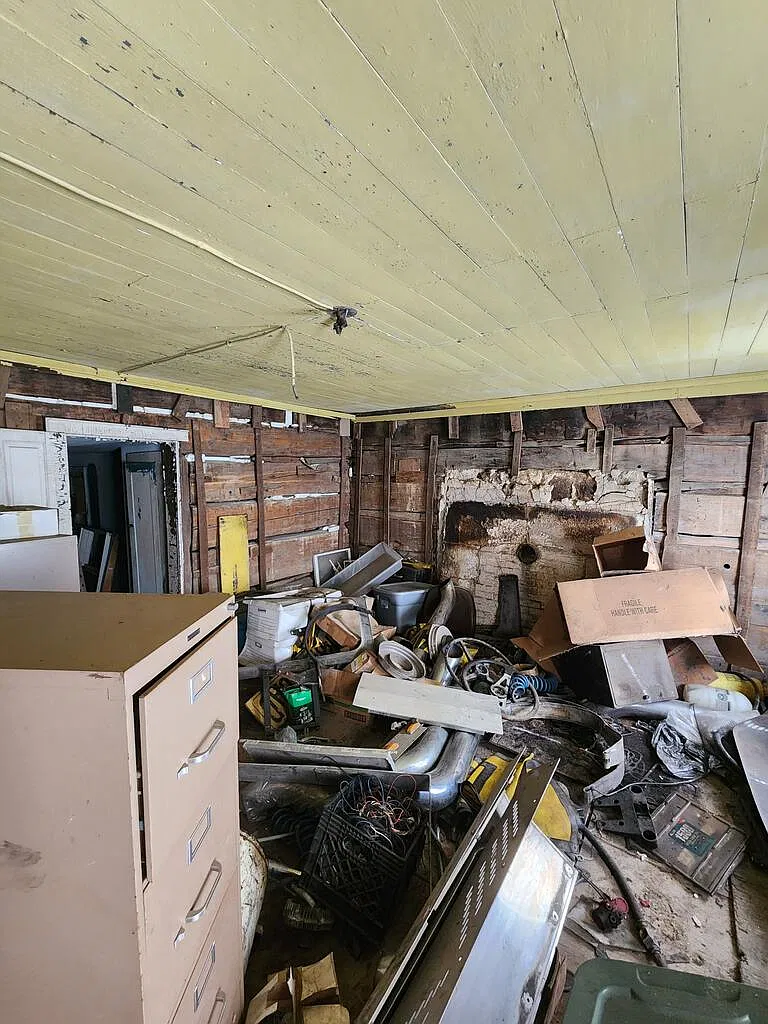
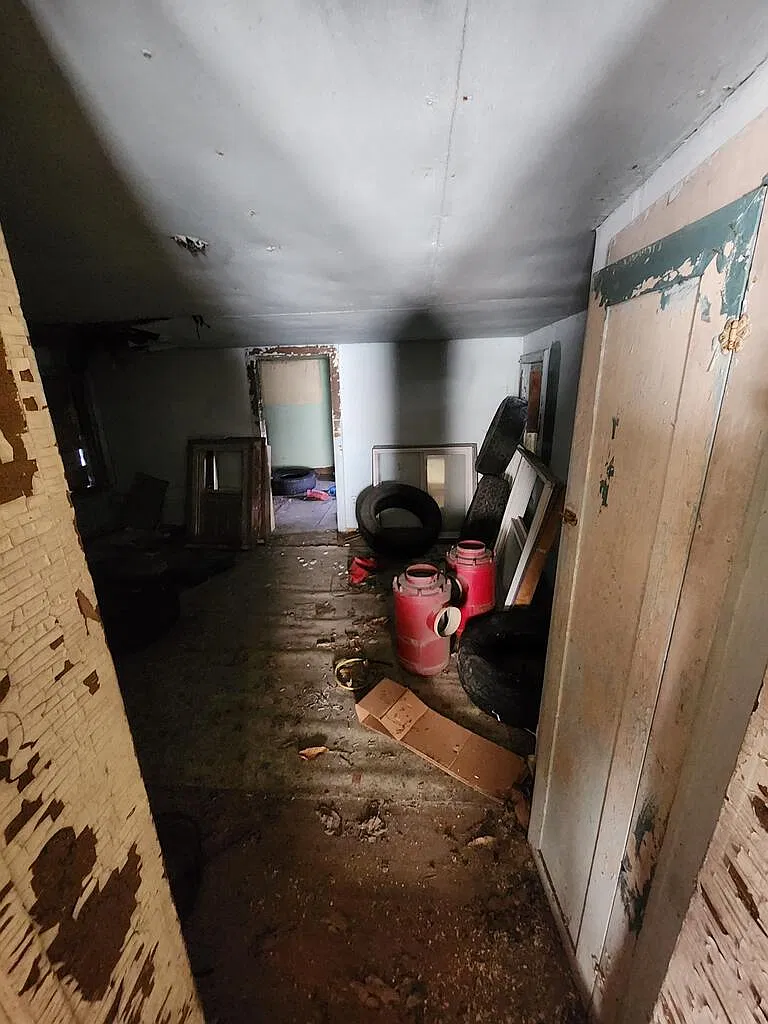
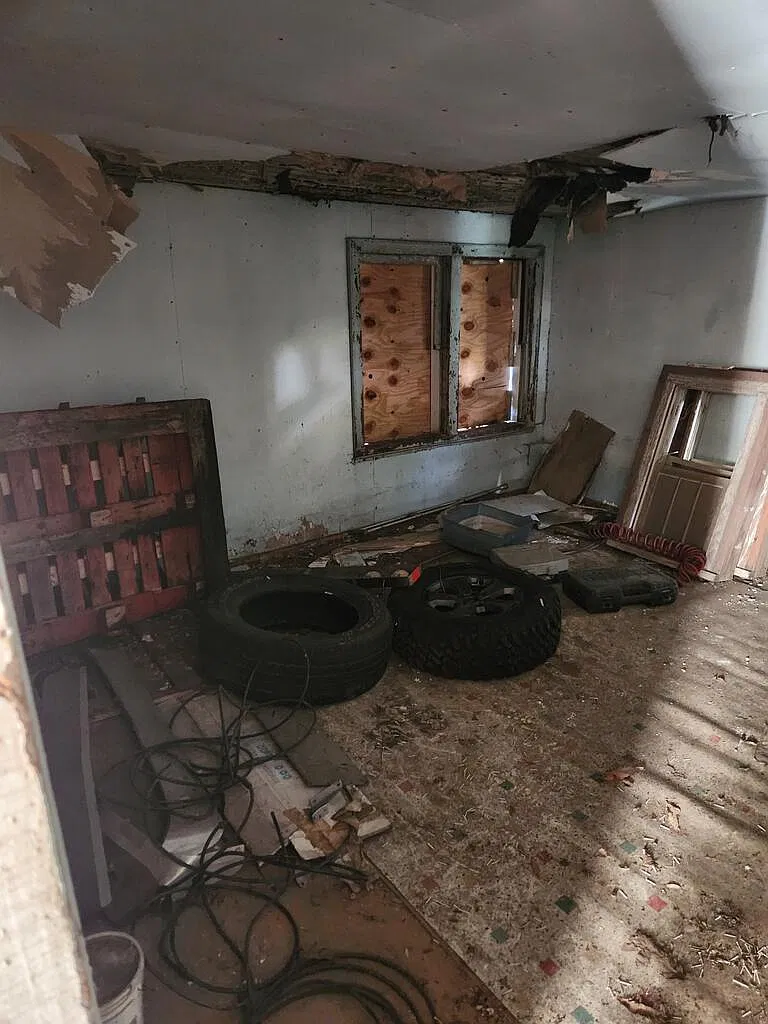
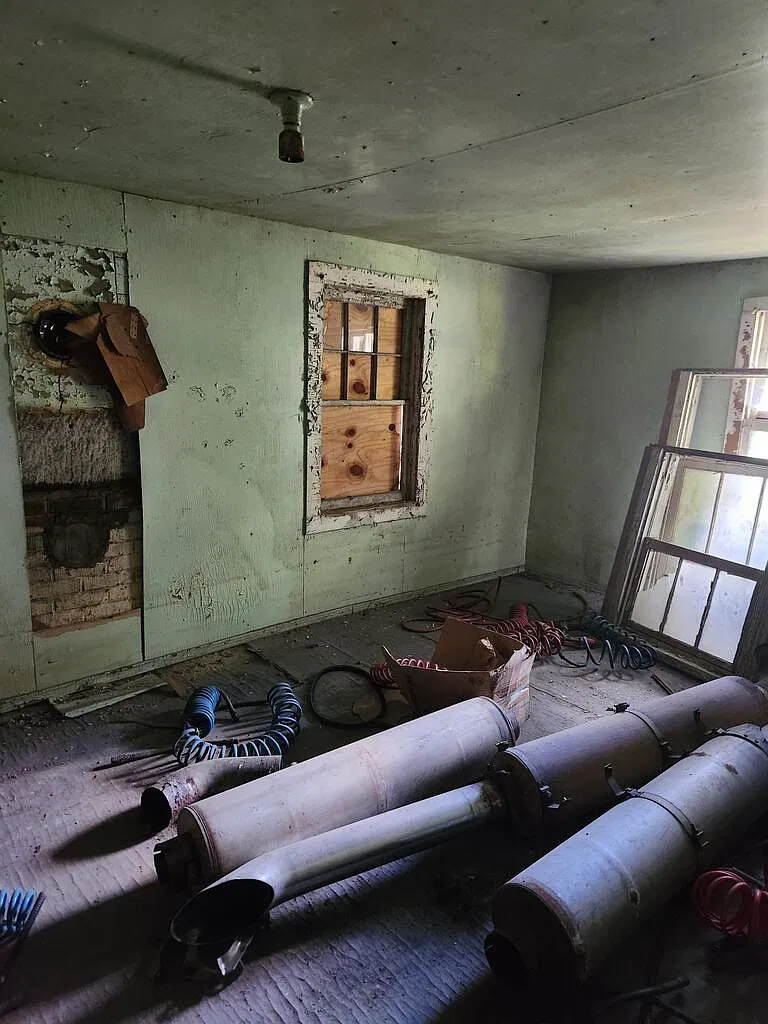
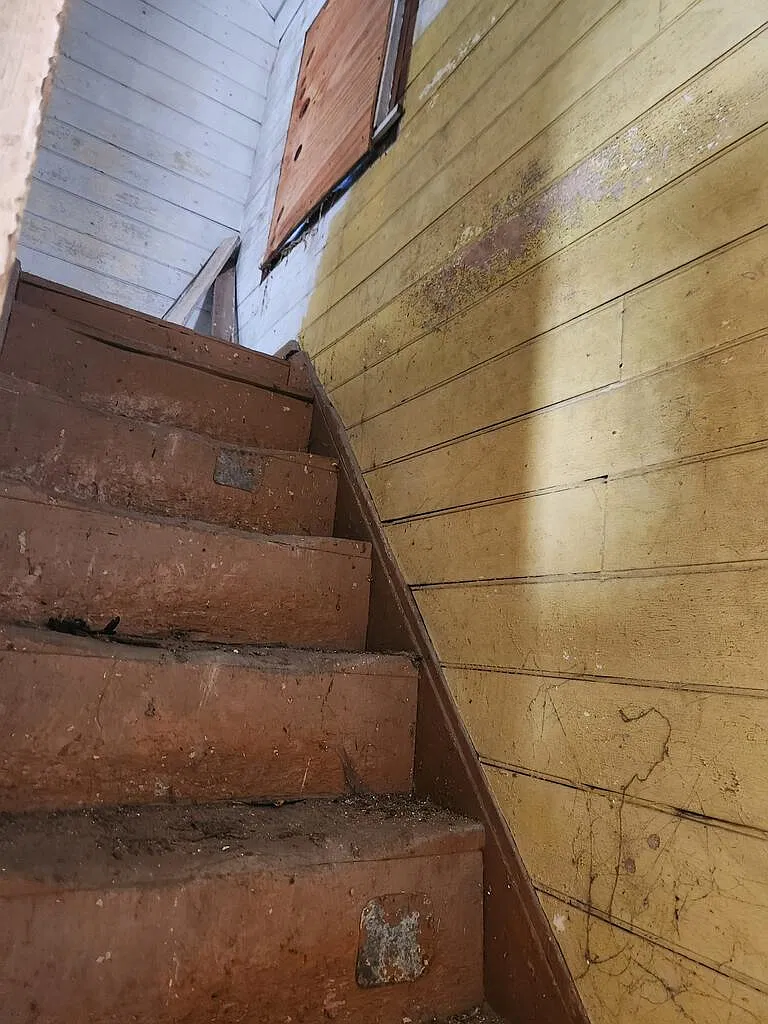
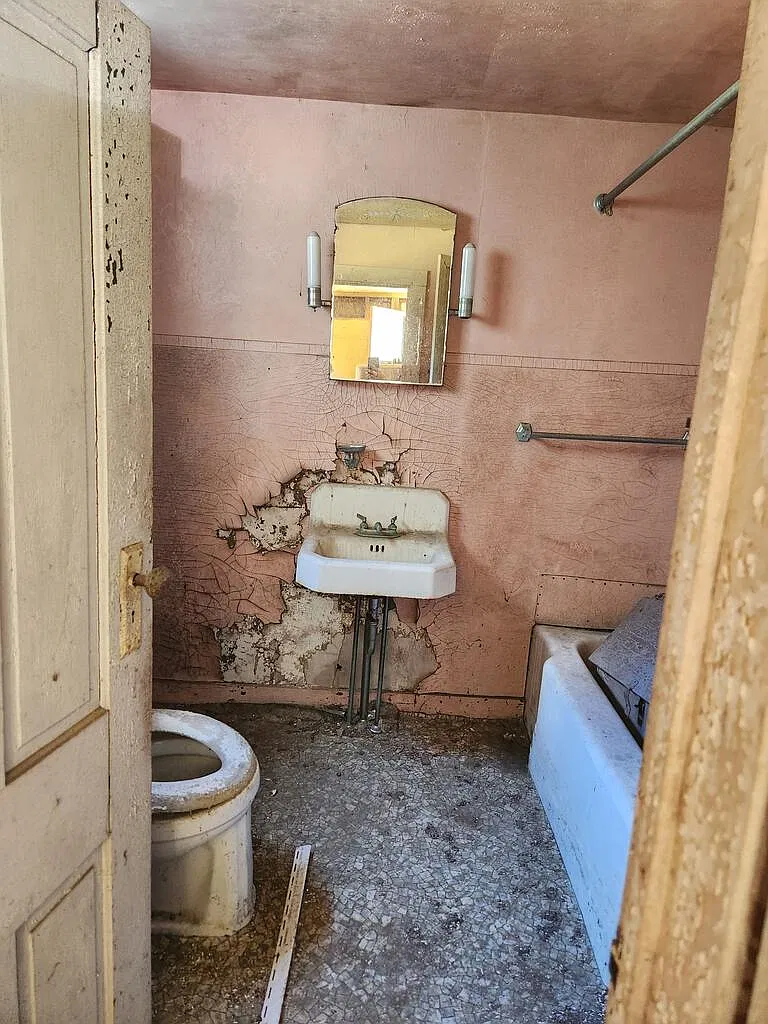
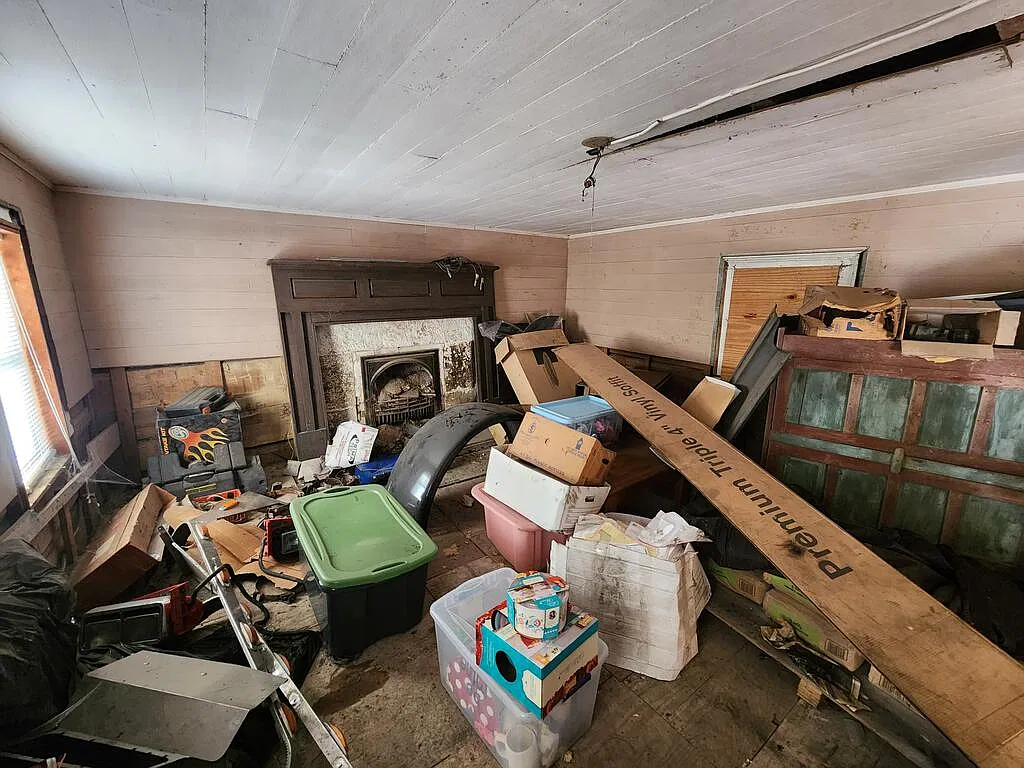
However, this is not a move-in-ready country home. The farmhouse has reportedly been vacant for many years, and its condition is described as poor.
For buyers prepared to investigate the cost of a major restoration, the land and historic buildings could offer an interesting starting point.
More Than 40 Acres of Virginia Countryside
The property’s most impressive feature is its substantial acreage.
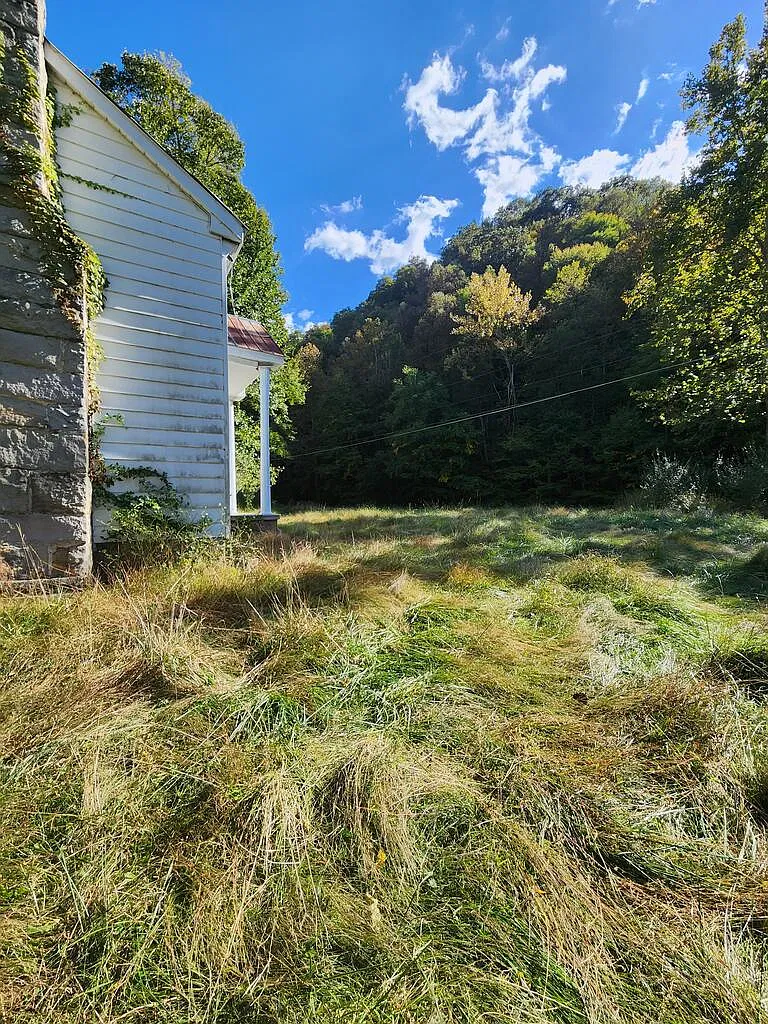
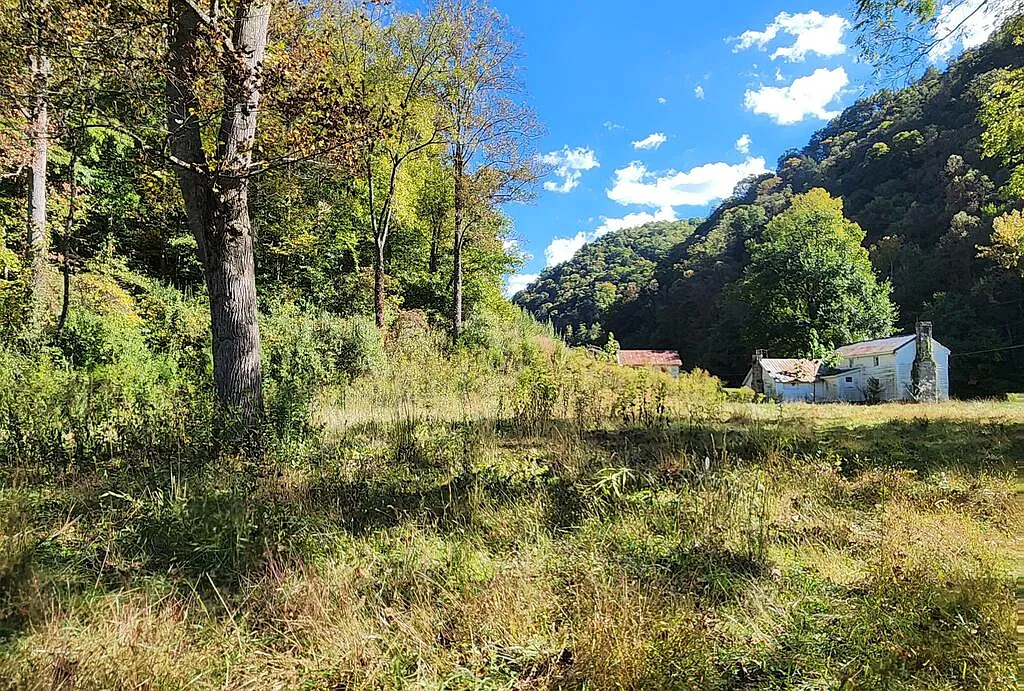
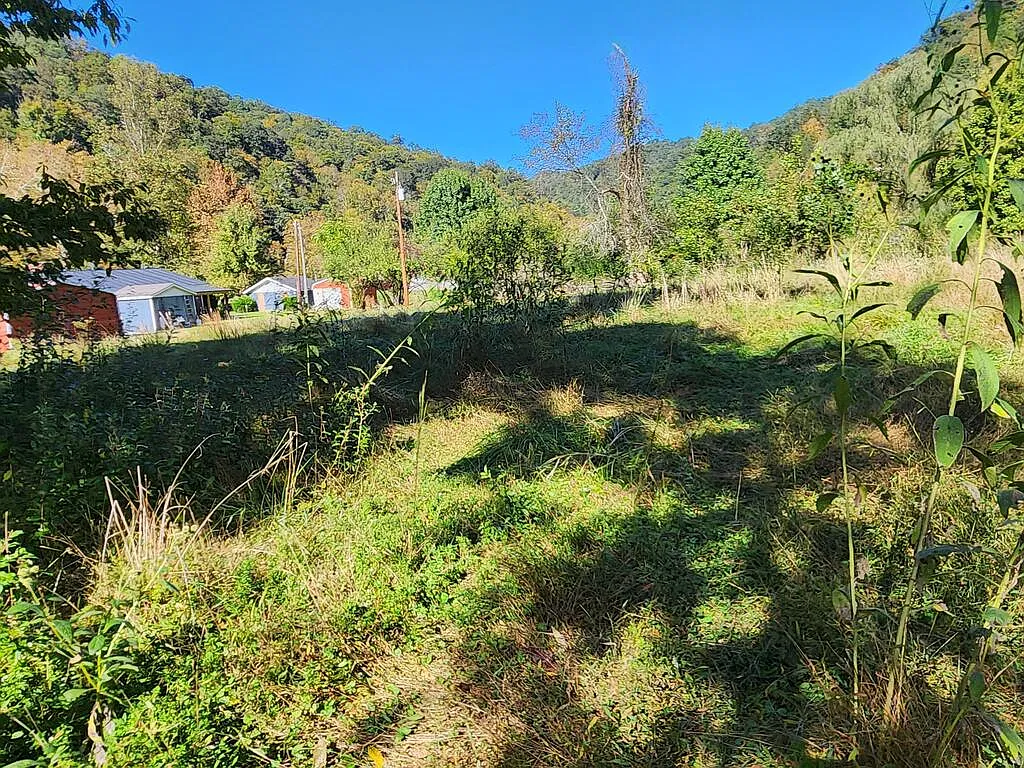
Spanning approximately 40.09 acres, the land offers a mixture of open areas, rolling terrain, and wooded surroundings.
Unlike a conventional residential property with a small yard, this parcel provides space to explore nature, enjoy outdoor activities, and investigate potential agricultural uses.
Imagine spending a quiet morning walking through the countryside while looking toward the surrounding wooded hills.
The landscape offers a traditional Appalachian setting, with mature trees and natural terrain contributing to its rural character.
During spring and summer, the surrounding vegetation can create a lush green landscape.
Autumn brings changing foliage across the hills, while winter reveals a quieter view of the countryside.
For buyers interested in rural living, this variety of scenery may be one of the property’s strongest attractions.
However, the full acreage should not automatically be considered suitable for farming or construction.
A survey and on-site inspection can help determine how much of the land is accessible and usable.
A Historic Farmhouse Dating Back to 1890
One of the most distinctive features is the original farmhouse.
The residence is believed to have been built around 1890, giving it a history extending more than 130 years.
According to the listing, the house contains three bedrooms, one bathroom, and approximately 2,000 square feet of living space.
These figures are estimates, so buyers should confirm the actual dimensions and layout.
The farmhouse has two stories and retains elements of traditional rural architecture.
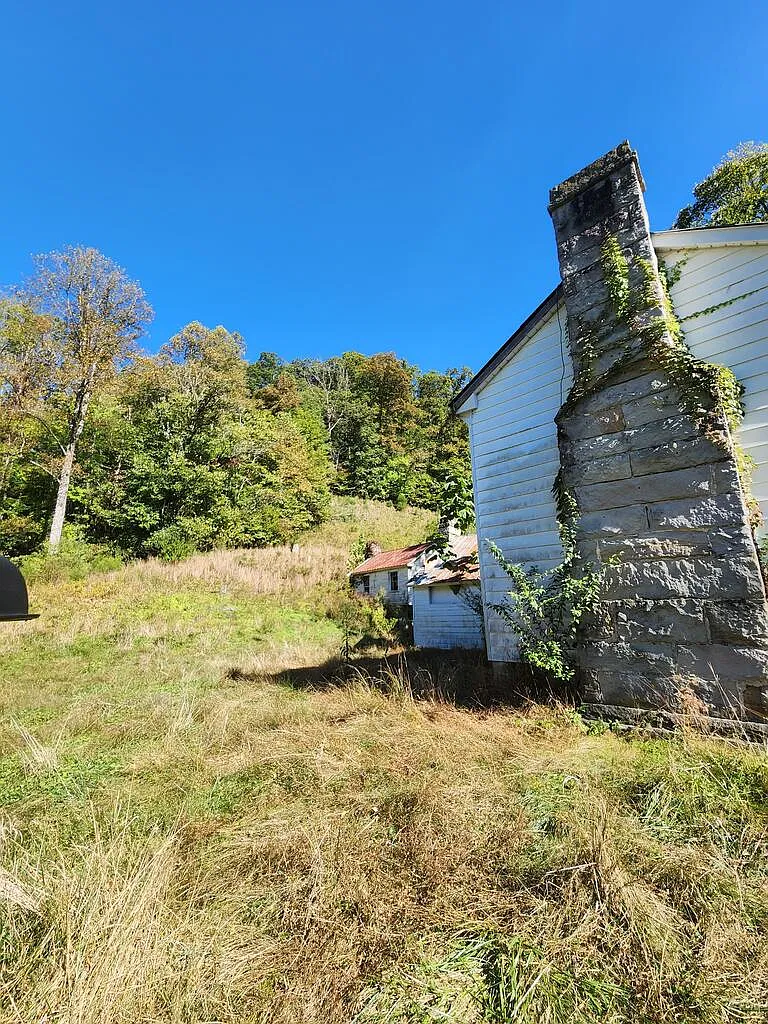
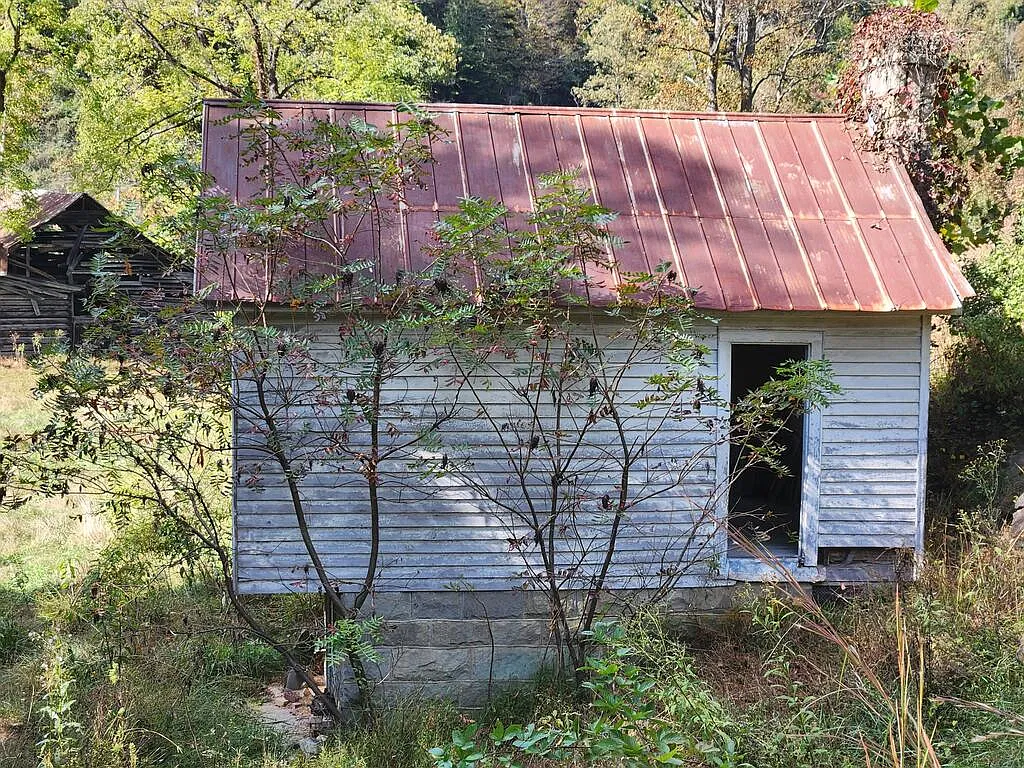
Its exterior includes older siding, a metal roof, and a stone foundation.
For someone who appreciates historic homes, these features may provide an interesting foundation for a restoration project.
Imagine bringing new life to the old farmhouse while preserving some of its original country character.
Restored woodwork, carefully repaired windows, and traditional exterior finishes could potentially help maintain the home’s historic appearance.
However, the building’s condition must be evaluated before any renovation plans are made.
A Major Fixer-Upper Project
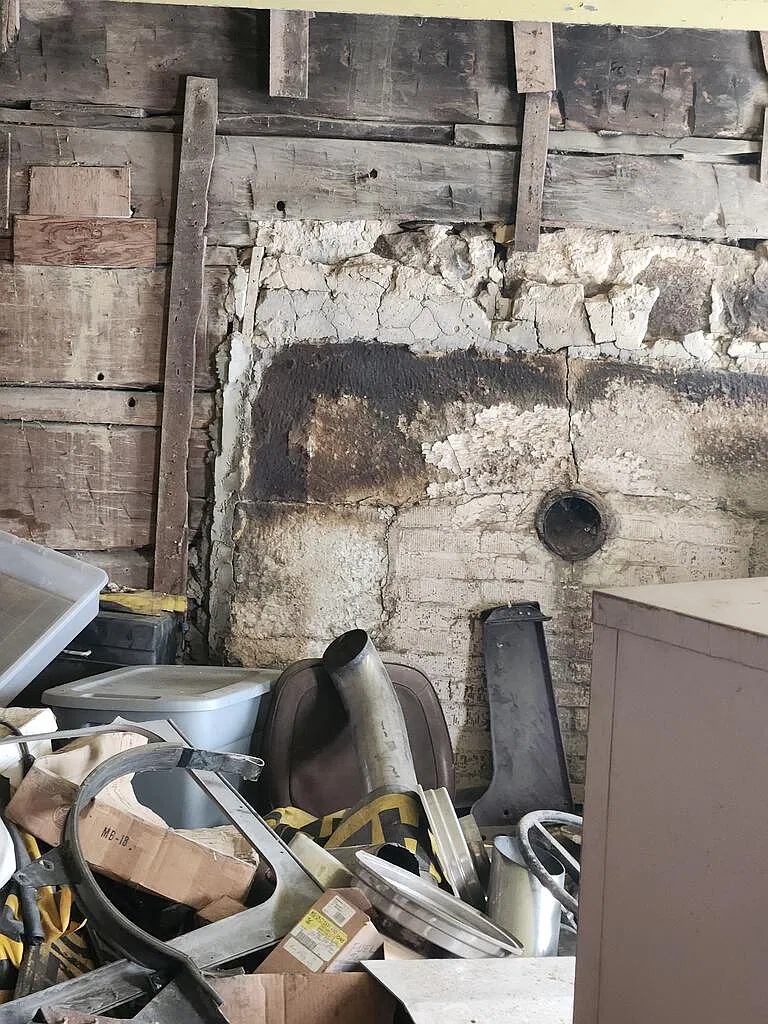
The listing makes clear that the farmhouse requires significant attention.
It has reportedly been unoccupied for many years, and both its interior and exterior conditions are rated poor.
For buyers seeking a finished home, this property may not be suitable.
However, renovation enthusiasts who enjoy challenging restoration projects may find the building interesting.
Potential improvements could include structural repairs, roof work, electrical upgrades, plumbing replacement, interior restoration, and extensive cleanup.
The actual work required cannot be determined from the listing alone.
Older houses can contain hidden problems, including deteriorated framing, moisture damage, foundation movement, outdated wiring, and damaged plumbing.
Before purchasing, buyers should arrange a professional inspection and obtain estimates from qualified contractors.
A restoration budget should also include a contingency for unexpected repairs.
The property’s purchase price is only the beginning of the potential investment.
A Traditional Stone Foundation
The farmhouse reportedly rests on a stone foundation.
Stone foundations are common in older rural homes and contribute to their historic character.
However, they require careful evaluation, particularly when a building has been vacant for an extended period.
A qualified professional should inspect the foundation for movement, cracking, water intrusion, and deteriorating mortar.
Drainage around the house is also important.
If the foundation requires stabilization or major repairs, the cost could significantly affect the feasibility of restoring the residence.
Buyers should prioritize structural safety before considering cosmetic improvements.
An Old Barn With Agricultural Character
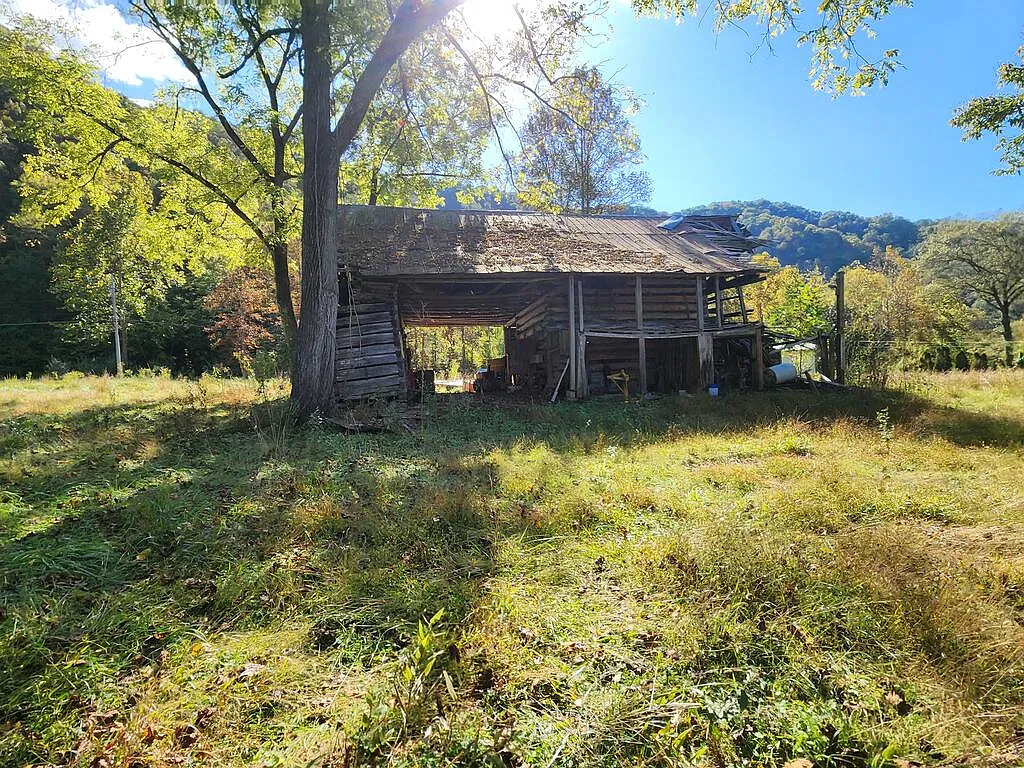
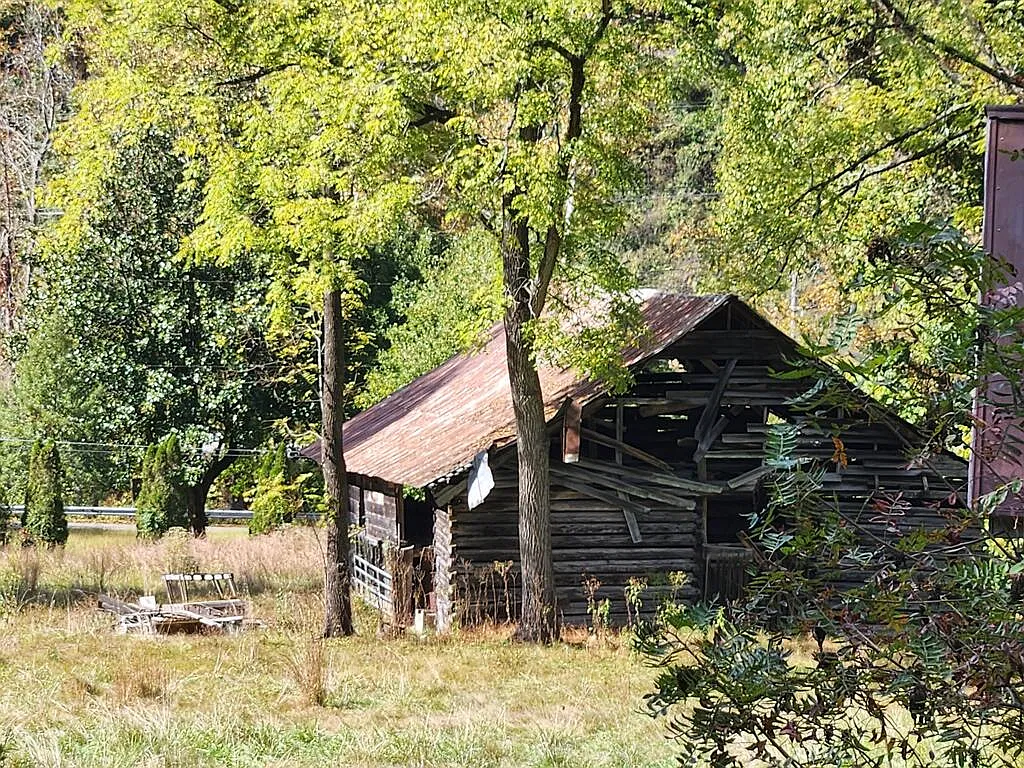
Another appealing feature is the existing barn.
Traditional barns often become defining landmarks on historic rural properties.
For someone interested in country living, an old barn can add considerable visual character to the landscape.
Imagine restoring a weathered agricultural building and preserving its original appearance.
Depending on its condition and legal use, the barn might potentially provide storage for equipment, gardening supplies, or other rural necessities.
However, older barns can have serious structural problems.
Roof deterioration, weakened framing, damaged siding, and unstable floors are possible concerns.
Before entering or using the building, buyers should have it professionally inspected.
The barn should be treated as a potential restoration project rather than an immediately usable structure.
A Former Dairy Building and Additional Outbuilding
The property also reportedly includes a former dairy building and another outbuilding.
These structures provide additional evidence of the land’s agricultural past.
For buyers who appreciate historic farmsteads, having several original buildings can make a property particularly interesting.
Imagine restoring the structures gradually, preserving their appearance while adapting them for permitted uses.
A former dairy building might potentially become storage space or a workshop, depending on its condition and applicable regulations.
The additional outbuilding could offer another area for equipment or maintenance supplies.
However, buyers should not assume these buildings are structurally sound.
Professional inspections are essential, and some structures may require extensive repairs or removal.
The cost of maintaining multiple aging buildings should be considered before purchasing.
Level Bottomland for Gardening Possibilities
One of the most practical features is the property’s relatively level bottomland.
The listing specifically highlights this area as potentially useful for farm animals or a large garden.
For buyers interested in growing vegetables, planting fruit trees, or establishing a small homestead, flatter ground may be easier to work with than steep hillside terrain.
Imagine creating a vegetable garden surrounded by the beautiful Virginia countryside.
Raised beds, seasonal crops, and a dedicated planting area could potentially become part of a future homestead.
However, soil conditions and drainage should be evaluated.
Bottomland can sometimes be affected by flooding or excess moisture.
Before planting crops or constructing buildings, buyers should investigate the property’s flood exposure and soil suitability.
Wooded Hills and Outdoor Recreation
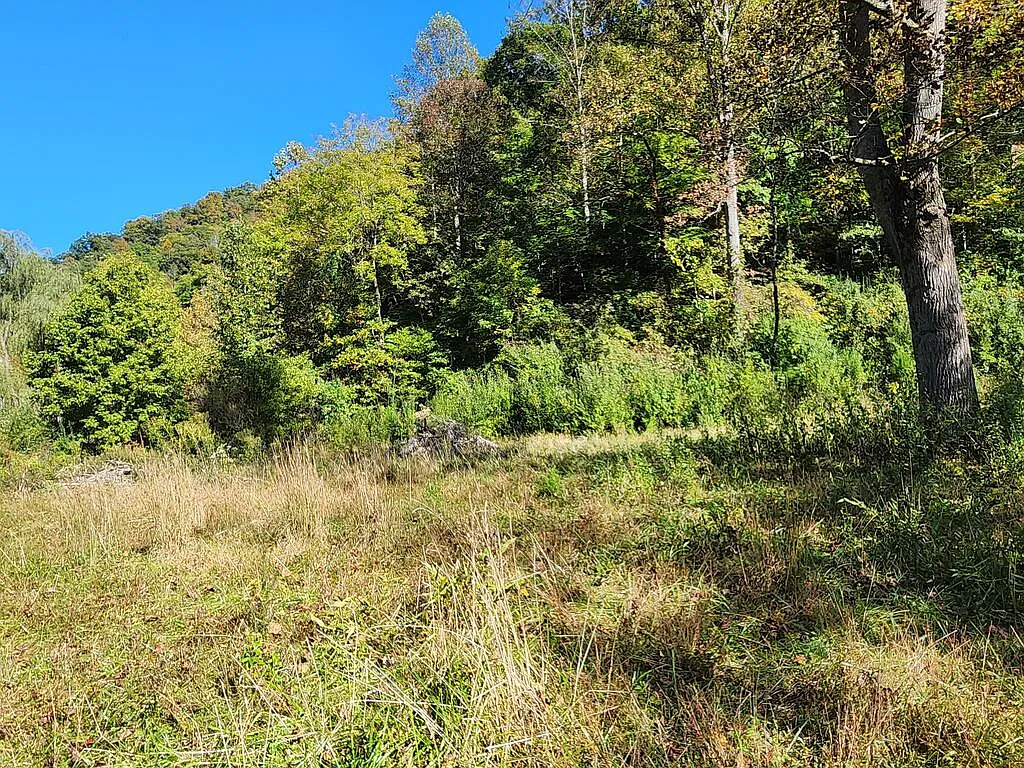
Beyond the more open sections, the property includes wooded acreage.
For buyers who enjoy nature, this creates opportunities for walking, wildlife observation, and exploring the surrounding countryside.
Imagine following a trail through the trees or spending a quiet afternoon photographing the Appalachian landscape.
The wooded portions may provide privacy and natural separation from nearby properties.
Outdoor enthusiasts might also be interested in investigating recreational opportunities on the land.
However, hunting suitability, wildlife populations, and permitted activities should be verified.
A survey is important for establishing boundaries, particularly in wooded terrain where property lines may not be obvious.
Scenic Creek and Stream Views
The listing also identifies creek or stream views.
Natural water features can add to the appeal of a rural property, creating scenic areas for relaxation and photography.
Imagine sitting outside and enjoying the peaceful sound of moving water nearby.
However, a reported stream view does not automatically establish private waterfront ownership.
Buyers should confirm whether any creek crosses the property or simply lies nearby.
Water features may also create drainage or flood-related concerns.
The location of the stream and its relationship to the property’s usable land should be investigated before making development plans.
A Piece of Buchanan County History
The listing includes an interesting historical detail.
According to local information cited in the property description, the land may have been part of a larger 600-acre land grant dating to 1875.
If accurate, that history would connect the property to the region’s agricultural past.
The farmhouse itself is believed to date to approximately 1890, suggesting that the site has been associated with rural life for generations.
For buyers interested in historic properties, researching the land’s history could become an enjoyable project.
Old deeds, county records, historical maps, and local archives may provide more information.
However, the reported land-grant connection should be treated as an unverified historical claim until supporting documents are located.
No Homeowners Association Reported
Another detail that may appeal to rural buyers is the absence of a reported homeowners association.
For someone interested in maintaining a country property, this may provide more flexibility than purchasing within a planned residential community.
However, the absence of an HOA does not mean the property is free from regulations.
Building permits, environmental requirements, land-use rules, and recorded deed restrictions may still apply.
Buyers should verify the permitted uses before planning major improvements.
Water, Sewer, and Heating Need Investigation
One of the most important questions concerns the property’s utilities.
The listing does not clearly establish the existing water or wastewater systems.
Water and sewer information is categorized as unspecified or other.
No functioning heating or cooling system is reported.
For a house that has been vacant for many years, these details are particularly important.
A future owner may need to install or restore essential infrastructure before the residence can be safely occupied.
Buyers should determine whether electrical service is available and whether the existing wiring can be used.
Water quality, plumbing condition, wastewater disposal, and heating requirements should also be evaluated.
These expenses could represent a significant portion of the overall restoration budget.
Understanding the $100,000 Asking Price
The property is advertised for $100,000.
With approximately 40.09 acres included, that works out to around $2,494 per acre.
For buyers comparing rural land, this calculation may provide a useful starting point.
The listing also identifies approximately 2,000 square feet of living space, resulting in a nominal asking price of $50 per square foot.
However, these calculations include the land, farmhouse, and additional buildings.
They should not be interpreted as evidence that the residence is inexpensive to renovate.
The actual value depends on the property’s condition, the amount of usable land, legal access, and comparable local sales.
A professional inspection and realistic renovation estimates are essential before deciding whether the asking price represents good value.
Reported Annual Property Taxes of $200
Another noteworthy detail is the reported annual property tax amount.
The listing identifies approximately $200 in annual property taxes for 2026.
For a property with more than 40 acres, that figure may attract attention.
However, buyers should confirm the current assessment with Buchanan County.
Property taxes can change following a sale, reassessment, or substantial improvements.
A future owner should not assume that the reported amount will remain unchanged.
Who Might Be Interested in This Property?
This historic Virginia farmstead could appeal to several types of buyers.
A renovation enthusiast may appreciate the challenge of restoring a farmhouse dating to the late nineteenth century.
Someone interested in rural acreage could be drawn to the combination of open land and wooded hills.
A buyer dreaming of a homestead may want to investigate the level bottomland and existing agricultural structures.
Historic-property enthusiasts could appreciate the farmhouse, barn, and former dairy building.
However, the property is unlikely to suit someone seeking a comfortable residence that can be occupied immediately.
Its strongest appeal is to buyers who understand the challenges of restoring old buildings and maintaining substantial rural acreage.
Important Things to Verify Before Purchasing
Before making an offer, buyers should arrange a comprehensive inspection of the farmhouse.
The foundation, roof, framing, electrical system, plumbing, and signs of moisture damage should receive particular attention.
The barn, former dairy building, and additional outbuilding should also be evaluated.
Buyers should confirm the legal boundaries, access rights, and usable acreage.
Floodplain information and drainage conditions deserve attention because of the property’s bottomland and reported stream views.
The availability of water, wastewater disposal, electricity, and heating should be established.
Finally, prospective purchasers should obtain contractor estimates and confirm the current asking price, property taxes, and any restrictions affecting future use.
Final Thoughts
This 40.09-acre property near Grundy, Virginia, offers an unusual combination of historic character, rural acreage, and renovation potential.
Advertised for $100,000, the property includes a farmhouse believed to date to 1890, three bedrooms, one bathroom, and approximately 2,000 square feet of reported interior space.
The land also features a traditional barn, a former dairy building, another outbuilding, wooded hills, and relatively level bottomland.
Although the farmhouse has been vacant for many years and requires substantial work, the property may appeal to buyers interested in preserving an old farmstead or creating a rural retreat.
For someone with the experience, resources, and patience to undertake a major restoration, this historic Virginia property offers an interesting opportunity worth investigating.
The key is to evaluate the condition of the buildings, the availability of utilities, and the full cost of restoration before committing to a purchase.
Original Property Listing
Hobbs Branch Rd, Grundy, VA 24614lcul
View the original Zillow listing
