

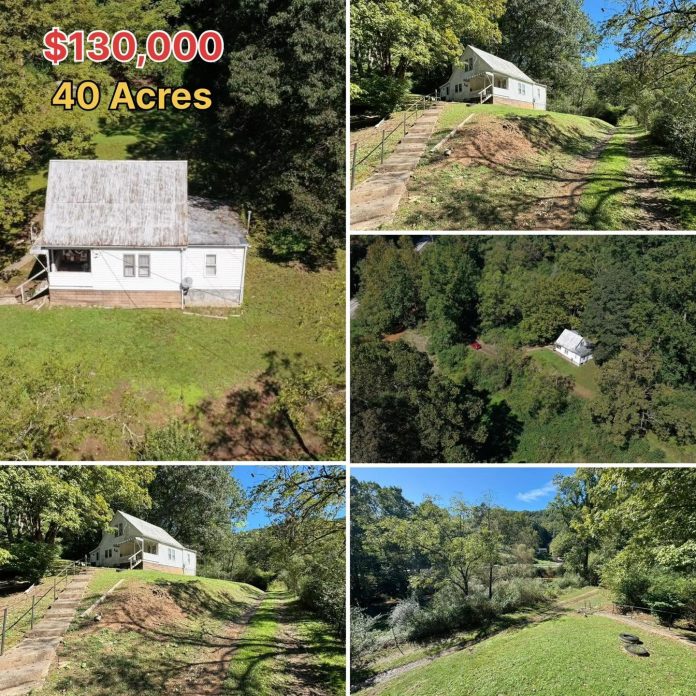
40 Wooded Acres & a Historic 1900 Farmhouse in West Virginia for $130K!
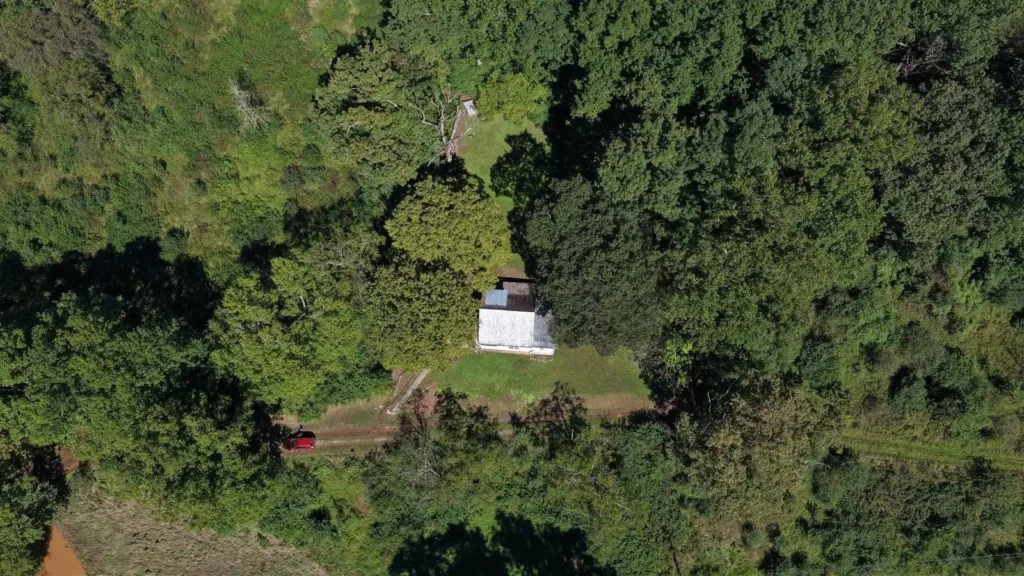
For buyers dreaming about owning a sizable piece of West Virginia countryside without being hours away from town, this 40-acre property near Glenville offers an interesting combination. Listed for $130,000, the property includes a historic farmhouse dating to 1900, wooded mountain acreage, hardwood trees, a creek near the road, and existing private water and wastewater systems.
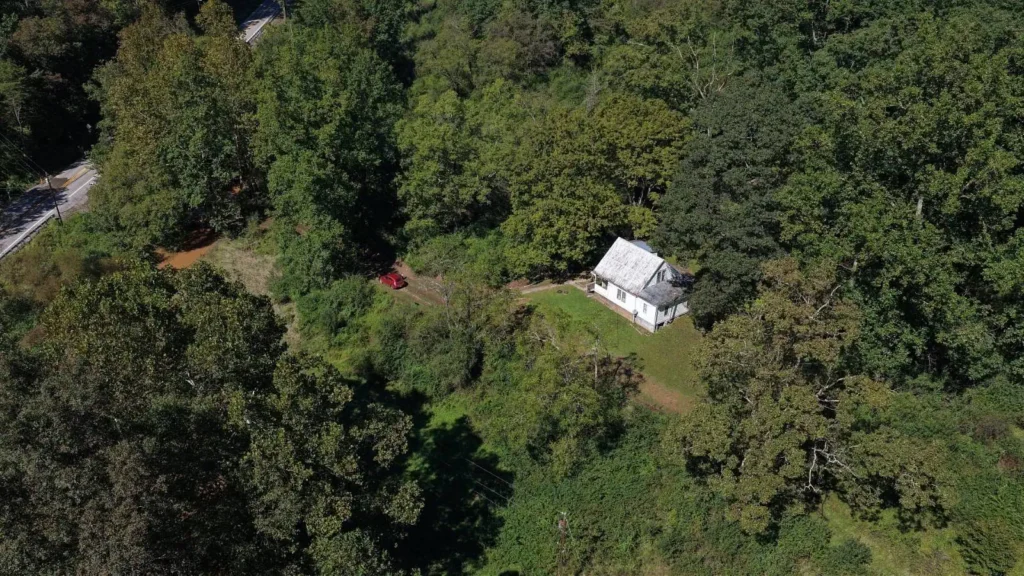
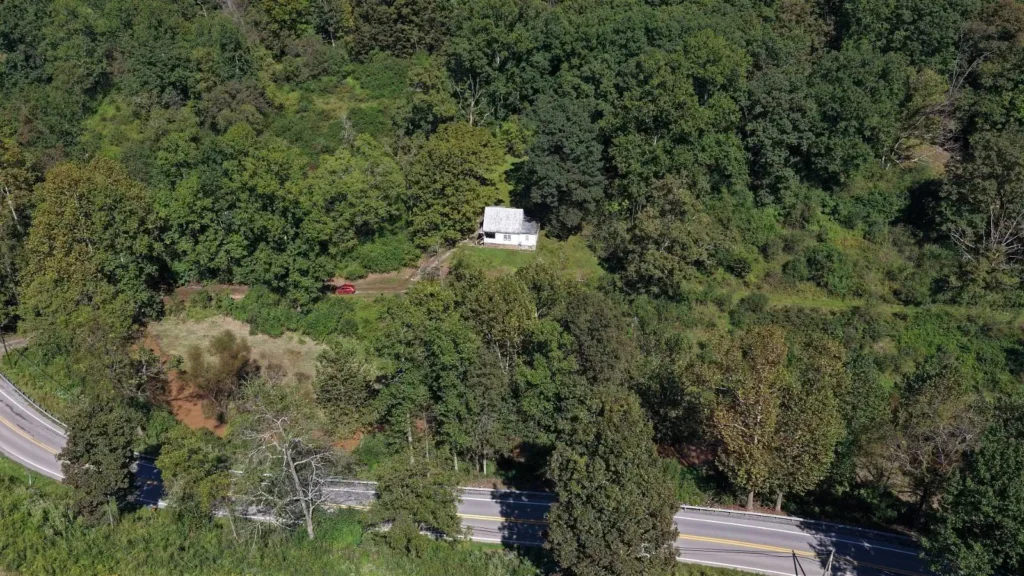
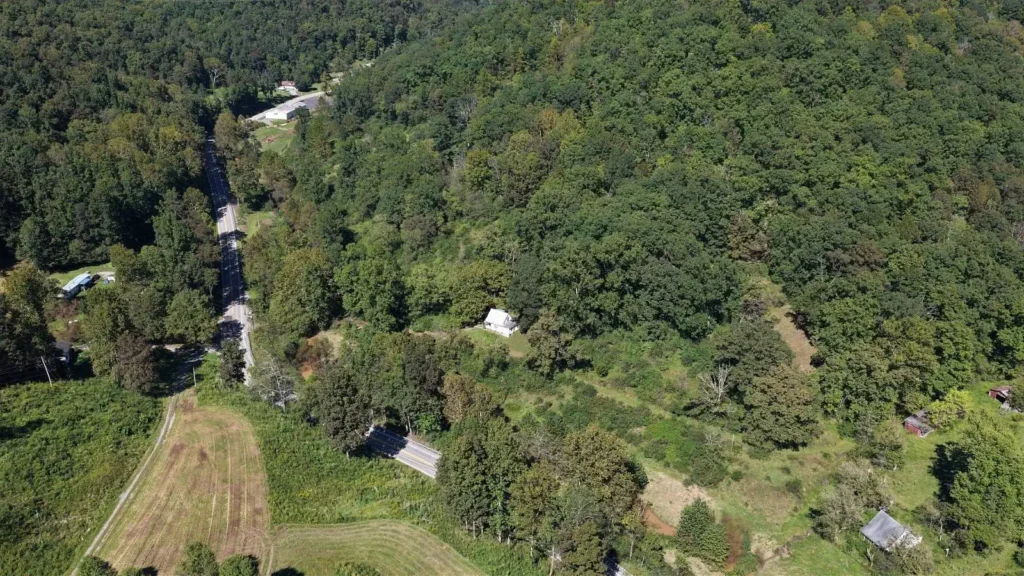
Located at 2208 US Highway 33E in Glenville, the property sits in Gilmer County and is reportedly only about two miles from downtown Glenville. That location could make it particularly appealing to someone who wants privacy and acreage while remaining reasonably close to groceries, services, and everyday conveniences.
The approximately 1,080-square-foot farmhouse is more than a century old and should be viewed as a renovation opportunity rather than automatically assumed to be move-in ready. Still, for the right buyer, the combination of an existing house and 40 acres of West Virginia land creates plenty of possibilities.
A Full 40 Acres of West Virginia Land
The acreage is arguably the biggest attraction here.
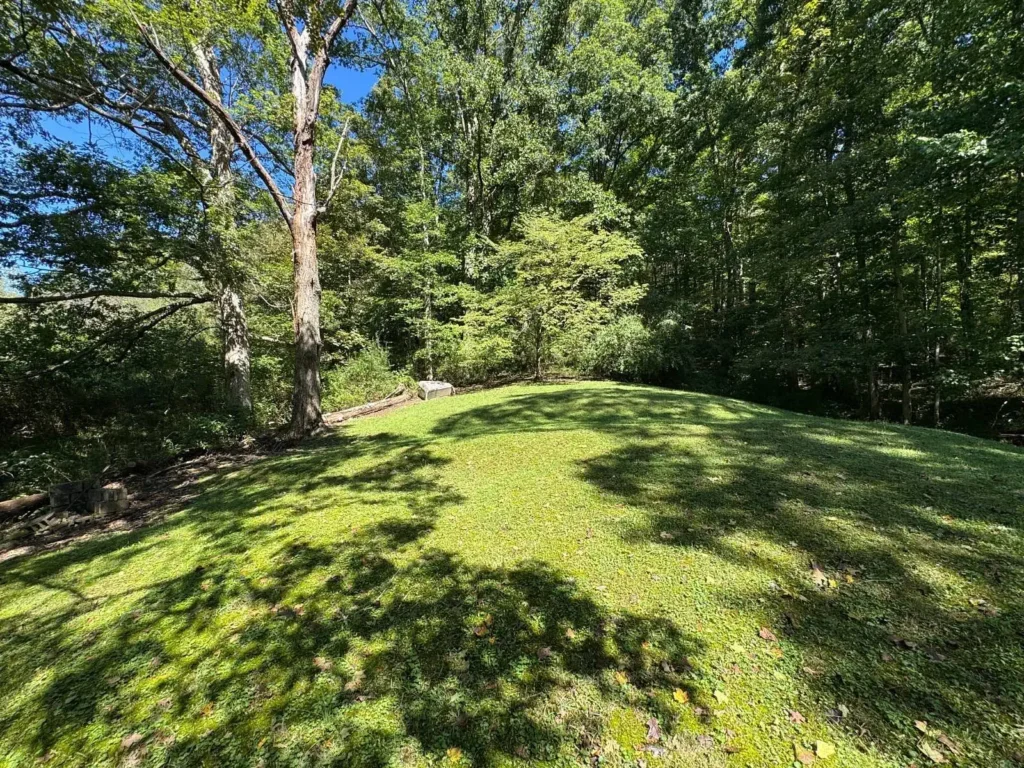
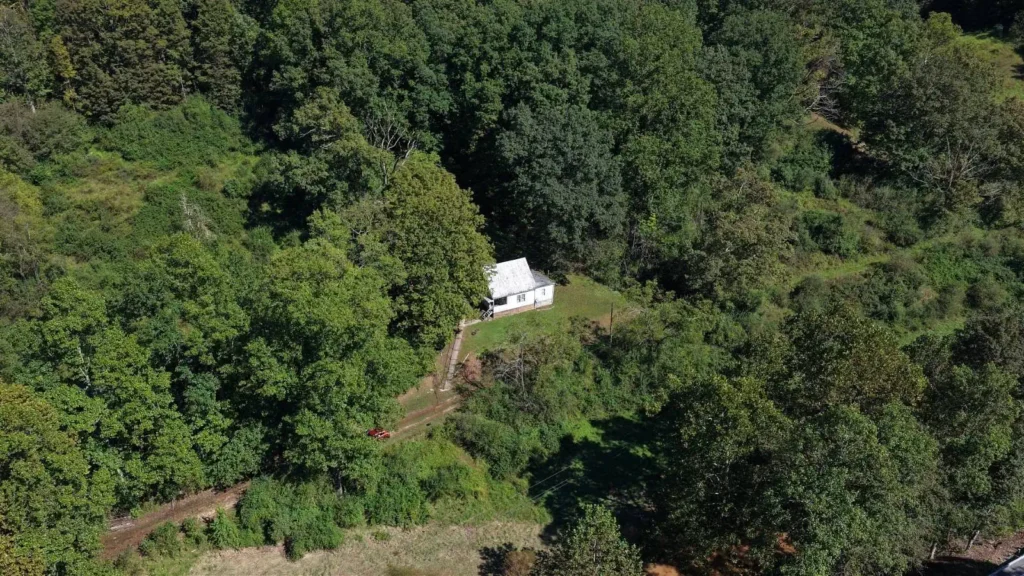
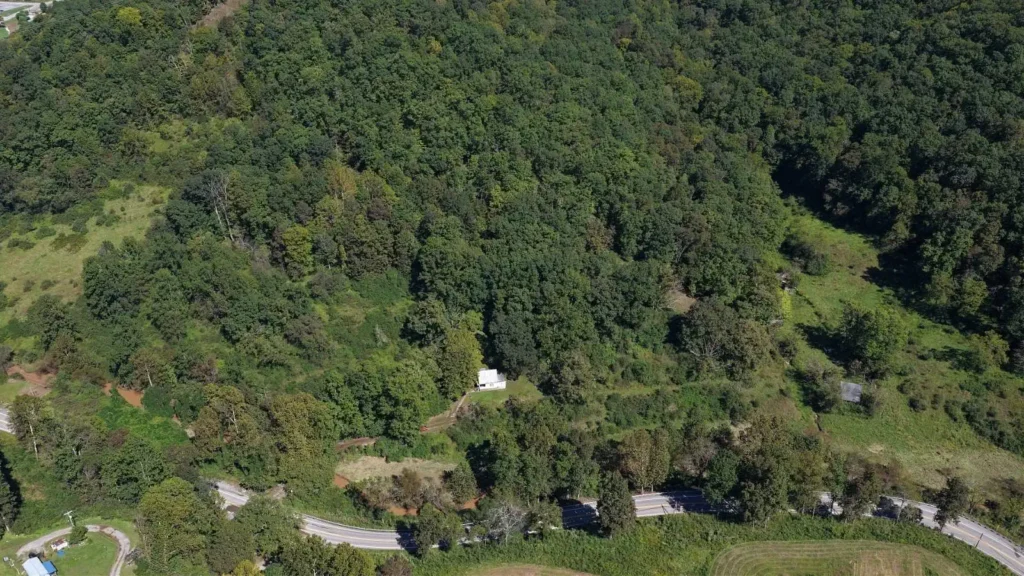
The property contains approximately 40 acres, with a landscape described as wooded mountainside, gentler slopes, and some bottomland.
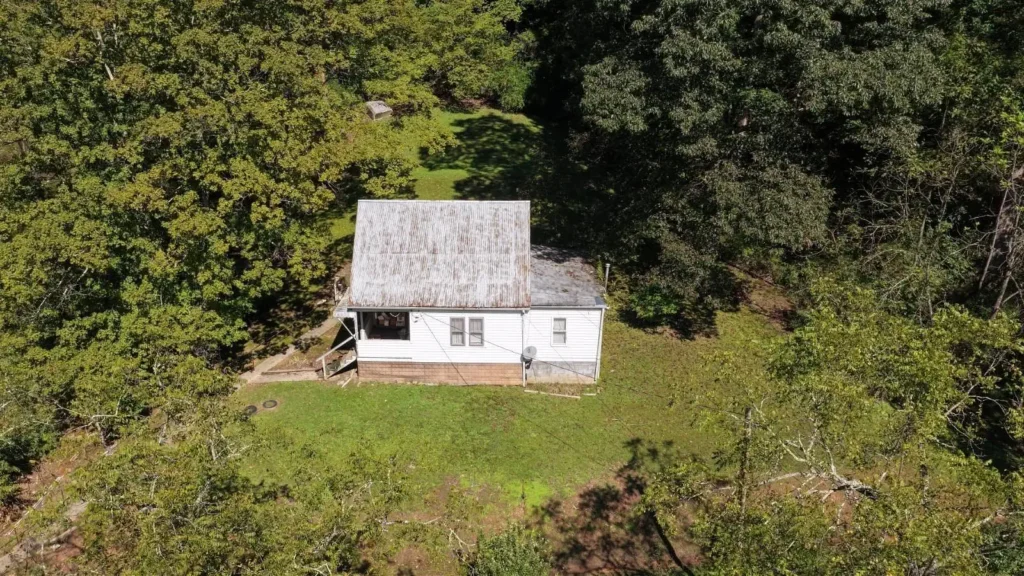
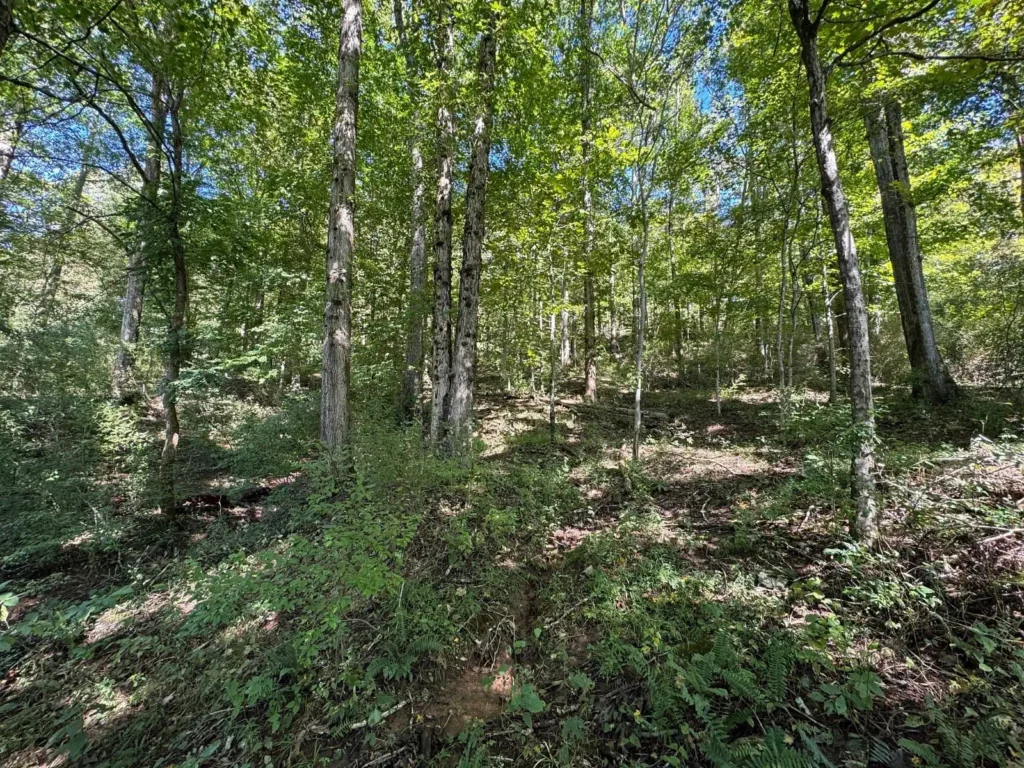
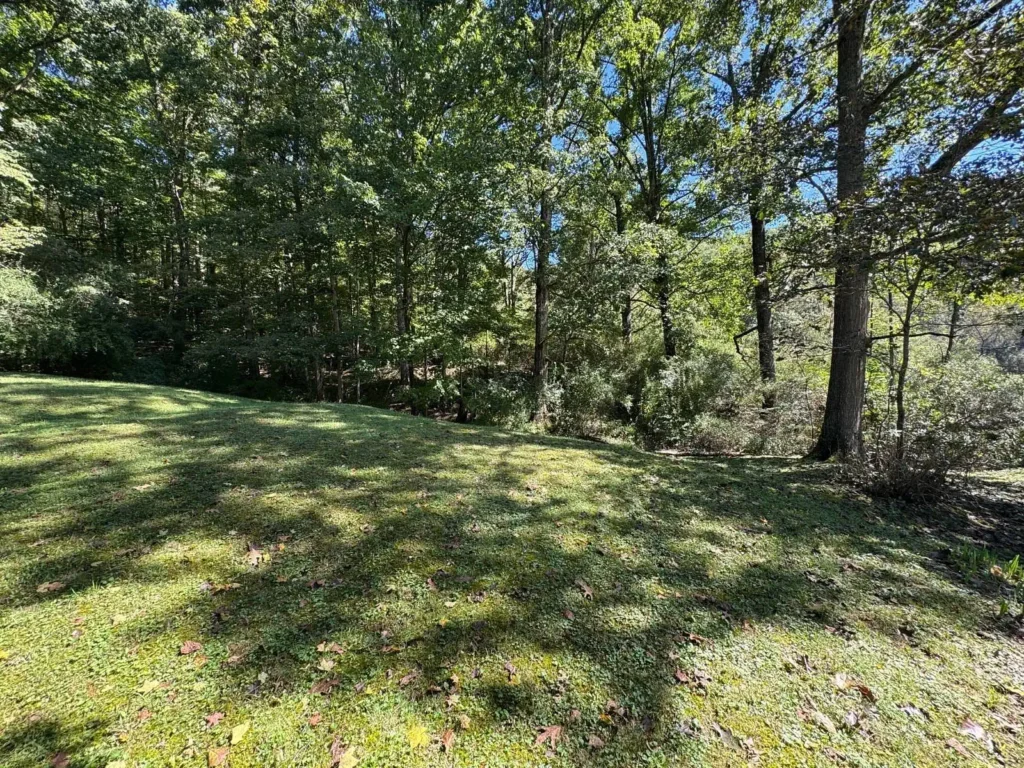
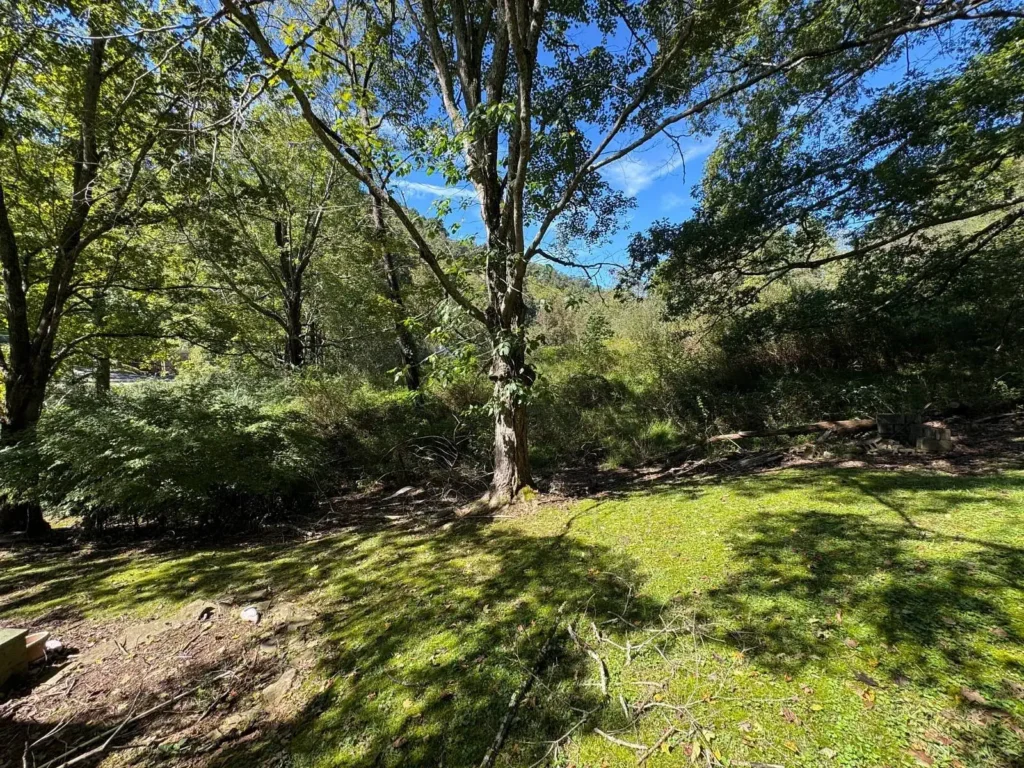
Much of the land is covered with oak and other hardwood trees, giving the property the classic wooded appearance associated with rural West Virginia.
For someone who loves spending time outdoors, having this much land opens the door to a variety of recreational possibilities.
A future owner could explore the woods, establish walking trails in suitable areas, photograph wildlife, or simply enjoy having a substantial natural buffer around the home.
The changing seasons could make the landscape especially attractive. Spring and summer bring dense greenery, while fall can transform hardwood-covered hillsides with brilliant seasonal color.
However, buyers should remember that total acreage and usable acreage are not necessarily the same thing.
Mountain property can contain steep sections that are difficult to access or develop. Anyone hoping to build additional structures, create gardens, or establish agricultural areas should inspect the terrain carefully.
A Farmhouse Dating Back to 1900
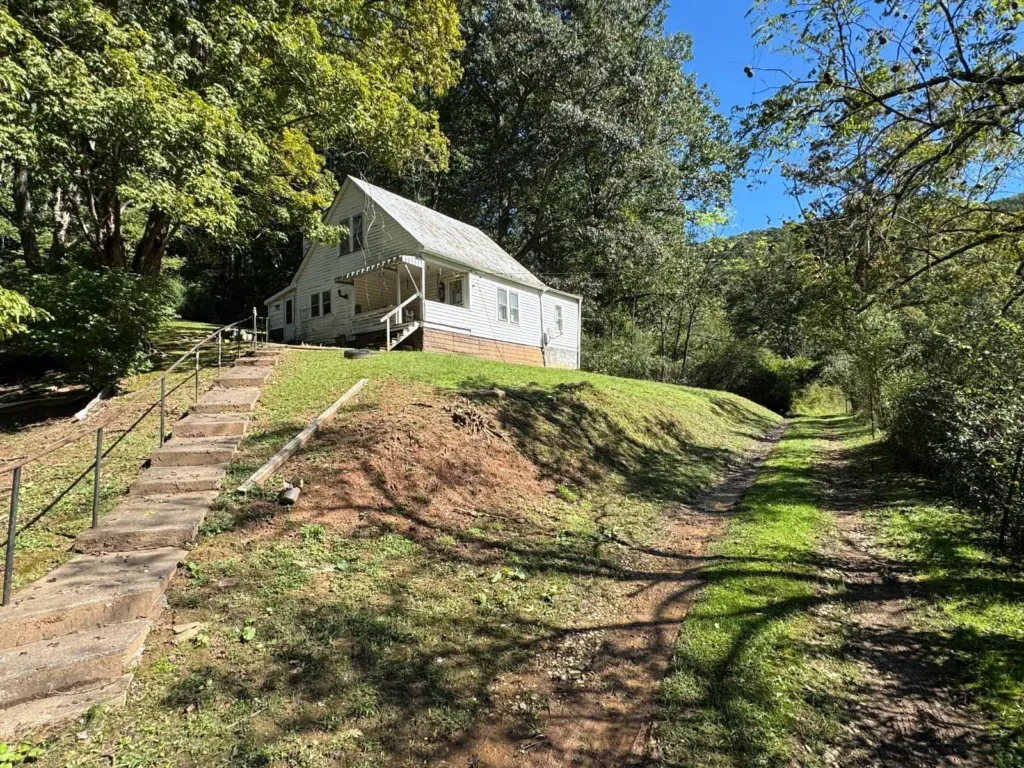
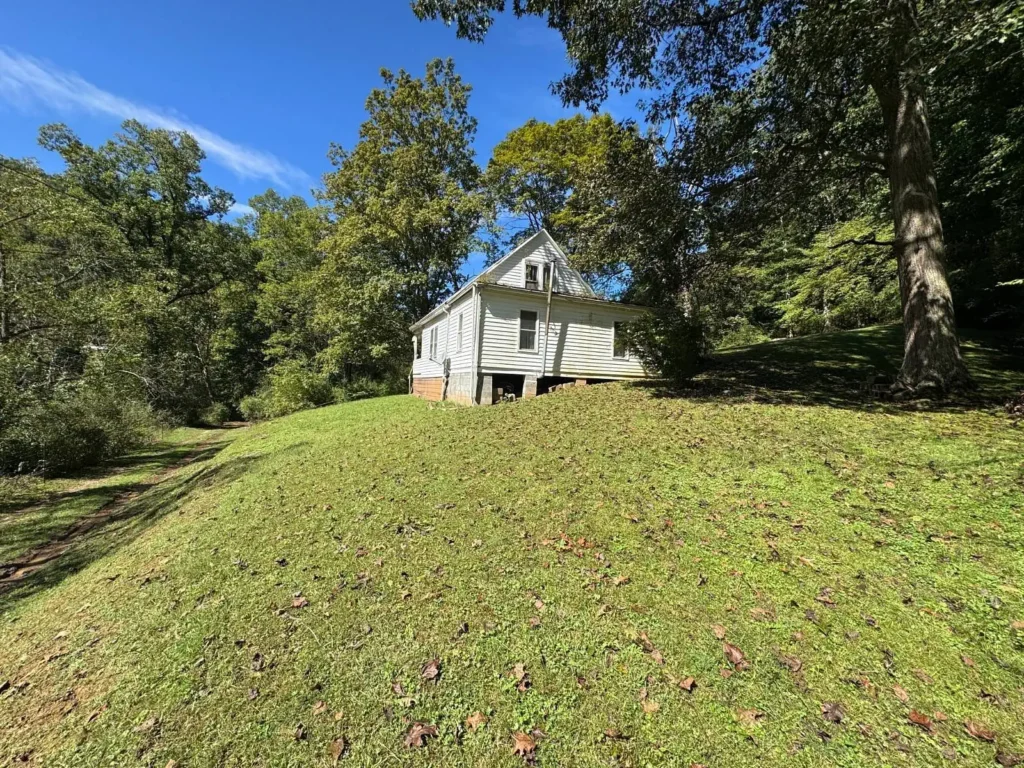
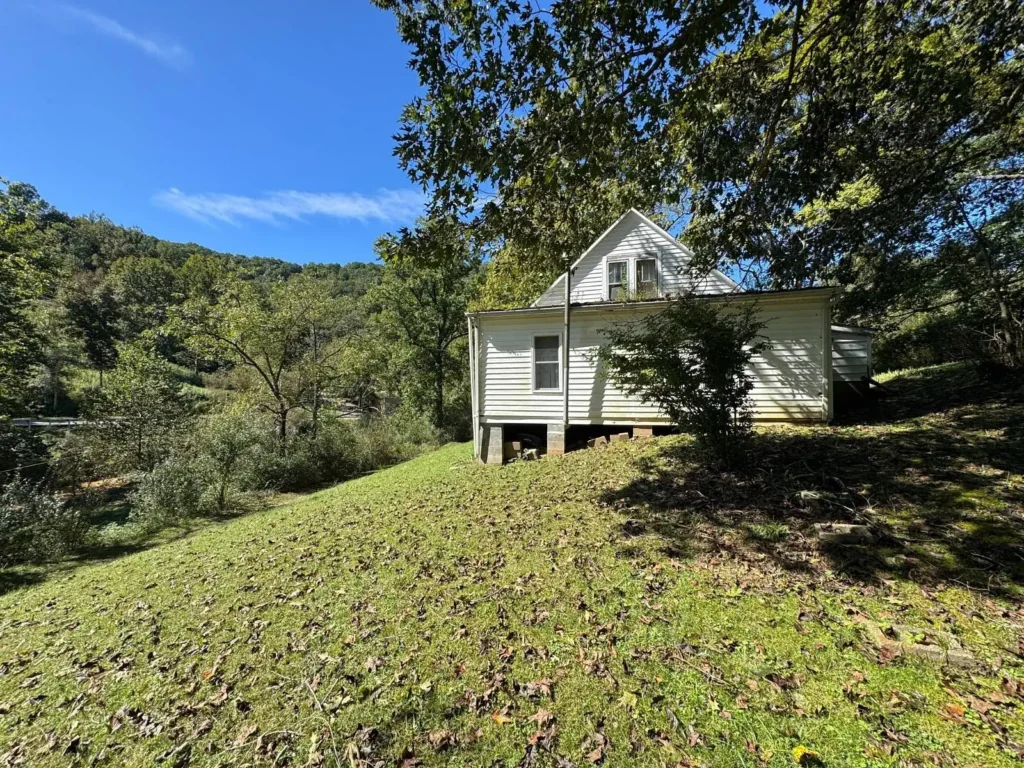
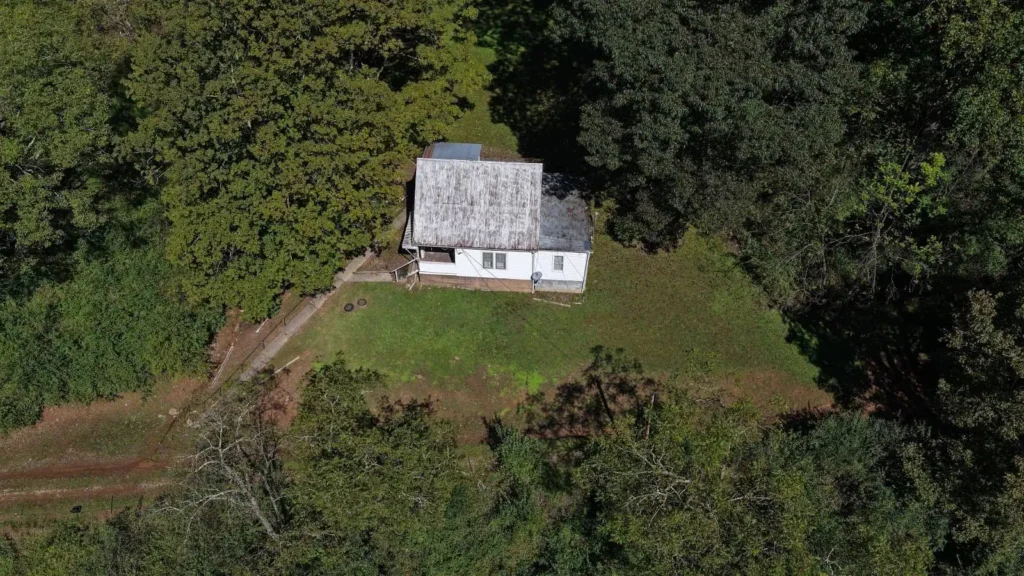
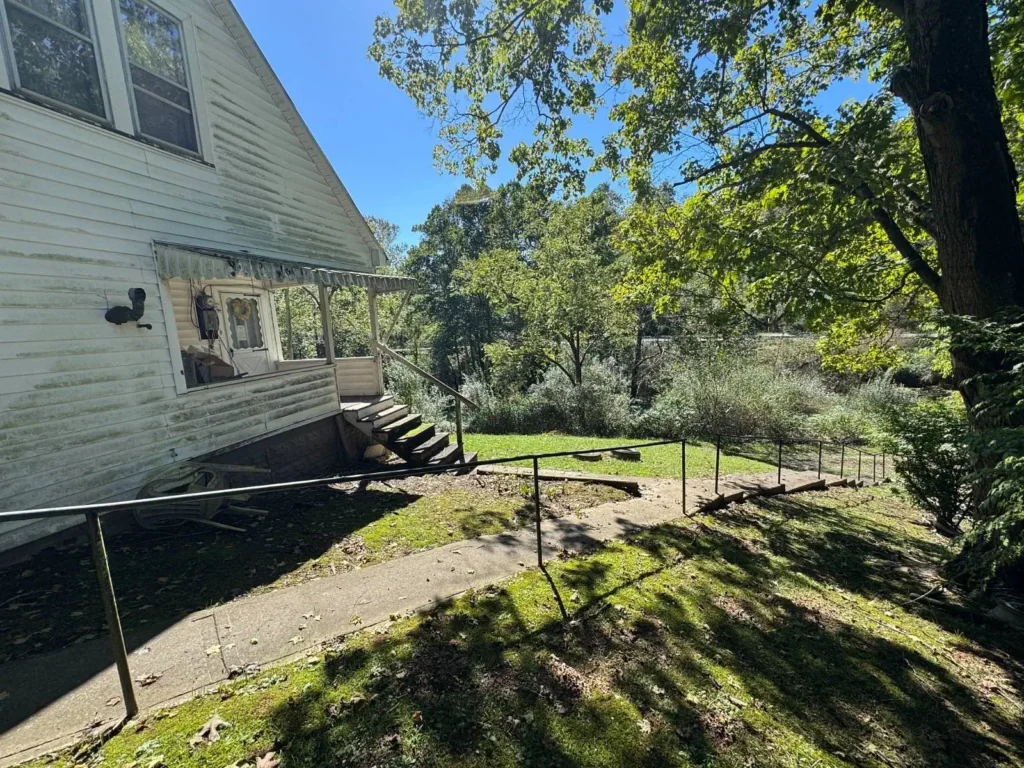
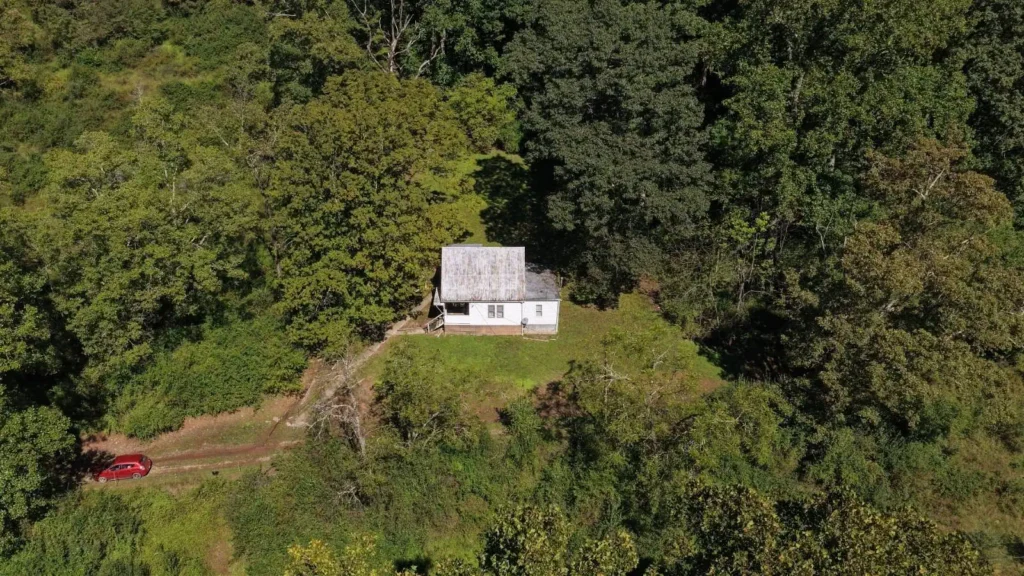
At the center of the property is an older two-story farmhouse reportedly constructed around 1900.
The house contains approximately 1,080 square feet.
Its age gives the property a sense of history that a newly built home simply cannot duplicate. For someone who enjoys restoring older rural houses, this could become a rewarding project.
A renovation might preserve some of the farmhouse’s original character while adding the modern systems and conveniences needed for comfortable living.
However, a 126-year-old house deserves a thorough evaluation.
The listing information does not establish that the farmhouse is currently habitable or that all of its systems are functioning properly.
Before purchasing, buyers should have professionals examine the foundation, framing, roof, electrical wiring, plumbing, and any evidence of moisture or structural deterioration.
Older houses can hide expensive problems behind walls and beneath floors, particularly when major systems have not been recently updated.
The $130,000 purchase price therefore shouldn’t be considered the property’s total cost. A realistic renovation budget could be equally important.
Hardwood Forest Surrounding the Property
The wooded acreage contains oak and other hardwood species.
Aside from providing privacy and beautiful scenery, mature woodland may create an excellent environment for wildlife.
Deer have reportedly been observed around the property, while the wider region is also home to turkey and black bear.
For nature lovers, that could make everyday life here particularly interesting.
Imagine stepping outside early in the morning and seeing wildlife moving through the edge of the woods, or spending an autumn afternoon exploring your own acreage beneath colorful hardwood trees.
Buyers interested in hunting may also want to investigate the property, although wildlife activity and hunting success can never be guaranteed.
Any hunting would need to follow West Virginia regulations, seasons, licensing requirements, and established property boundaries.
Could the Timber Have Value?
With oak and other hardwood trees present, some buyers may immediately wonder whether the property’s timber could have commercial value.
It’s possible that individual trees or sections of woodland have value, but the listing does not include a professional timber appraisal.
The value of standing timber depends on species, age, diameter, quality, accessibility, market prices, and the cost of harvesting.
Steep mountain terrain can also make logging considerably more expensive.
Anyone considering timber harvesting should first hire a qualified consulting forester to evaluate the property.
It’s also important to confirm exactly which timber rights are conveyed with the sale.
Until a professional timber inventory is completed, the forest is better viewed as a valuable natural feature rather than guaranteed income.
A Creek Adds Character Near the Road
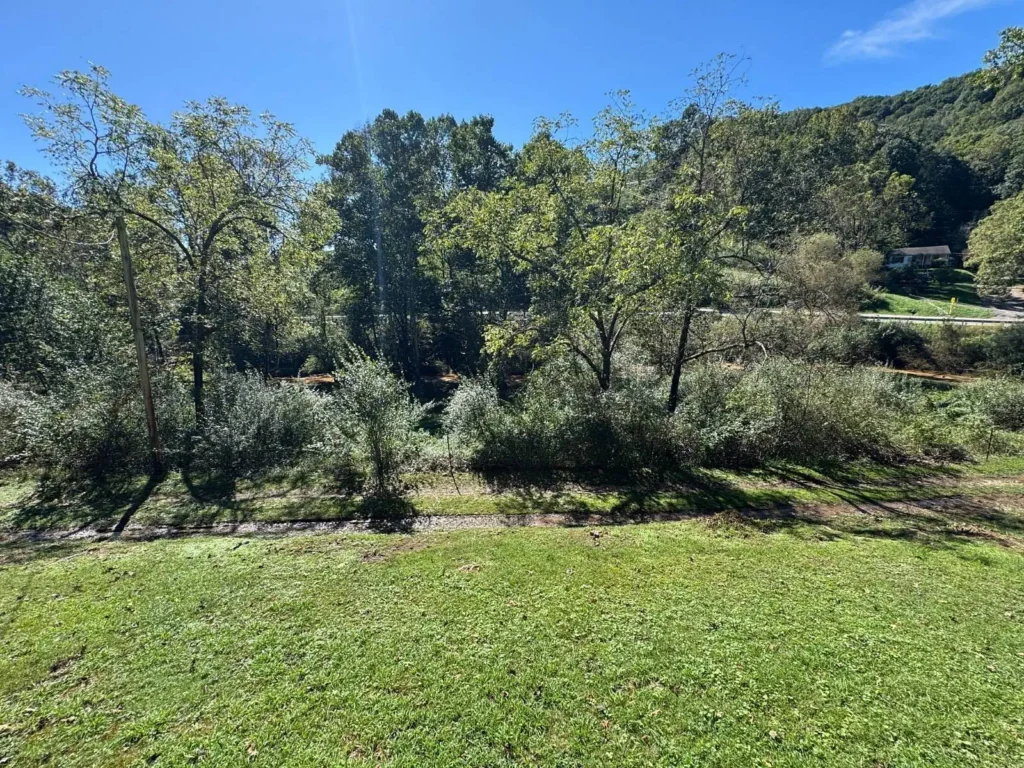
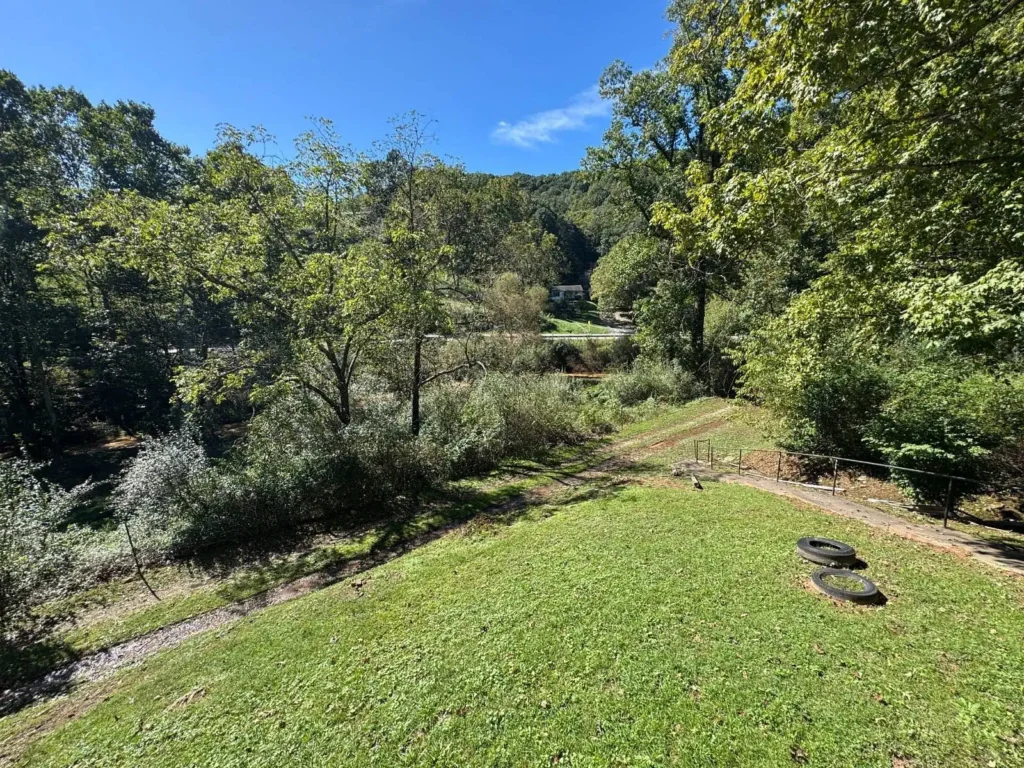
Another notable feature is the creek running near the road.
Natural water features can add considerable charm to rural properties, particularly when combined with wooded hills and an older farmhouse.
The sound and appearance of flowing water could enhance the property’s peaceful country atmosphere.
However, creeks also deserve careful investigation.
Flooding, erosion, drainage, and required building setbacks can all affect how nearby land can be used.
The listing indicates that potential building areas may exist outside the floodplain, but buyers should independently verify flood maps and site conditions.
Even land outside a designated flood zone can experience runoff or drainage problems during severe storms.
Bridge Access Across the Creek
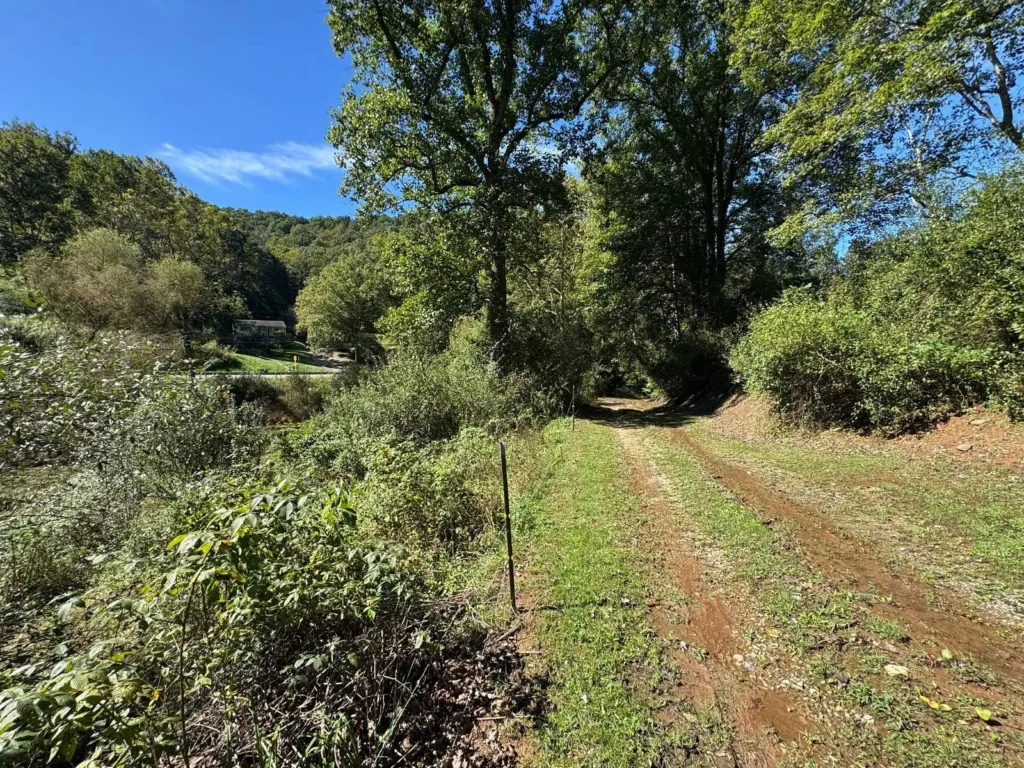
Access to the property reportedly involves crossing a bridge over the creek.
This is an important detail that buyers should not overlook.
A private bridge can be convenient, but its structural condition and maintenance responsibilities need to be clearly understood.
Before purchasing, buyers should determine who owns the bridge and who is legally responsible for repairs.
A professional inspection may also be worthwhile to establish its current condition and weight capacity.
This becomes especially important if a buyer intends to renovate the farmhouse.
Contractor vehicles, construction materials, delivery trucks, and heavy equipment may all need to cross the bridge.
If it cannot safely handle those loads, additional work could be required before a major renovation begins.
Year-round emergency access should also be considered.
Private Well and Septic System
The property reportedly already has a private well and septic system.
Having these systems in place could potentially save a buyer from starting completely from scratch.
However, their age and current condition have not been established.
The well should be tested for water quality and production capacity, while the septic system should be professionally inspected.
A functioning septic system can be a major advantage on rural property, but repairing or replacing an outdated system can become expensive.
Buyers should obtain documentation where available and determine whether the existing system is properly permitted and adequate for their intended use of the farmhouse.
Public Utilities May Be Available Nearby
One particularly interesting aspect of the property is the reported availability of additional utilities in the surrounding area.
According to the listing information, public water and sewer are available nearby, along with gas.
That does not mean the farmhouse is currently connected to those services.
Connecting public utilities could require permits, service lines, excavation, connection charges, and other expenses.
Still, having utilities nearby may provide additional options compared with extremely remote acreage where public infrastructure is miles away.
A buyer interested in connecting should contact the relevant providers directly and request written information about availability, distance, fees, and installation requirements.
Only About Two Miles From Downtown Glenville
The location is another strong point.
Despite having 40 acres of mostly wooded countryside, the property is reportedly only about two miles from downtown Glenville.
That could provide a useful balance between privacy and convenience.
Instead of driving an hour simply to pick up everyday supplies, a future owner could remain relatively close to town while enjoying a much larger rural parcel.
Glenville serves as the county seat of Gilmer County and provides access to local businesses and basic services.
The listing estimates Clarksburg at roughly an hour away, while Charleston and Parkersburg are approximately an hour and a half away.
Travel times should, of course, be verified by buyers based on their specific routes and seasonal conditions.
Potential for a Private Country Retreat
Not every buyer needs to turn 40 acres into a working farm.
For someone simply searching for privacy, the property could potentially serve as a peaceful country retreat.
The farmhouse could be restored gradually while the surrounding woodland remains largely natural.
A future owner might create walking trails, outdoor seating areas, or small clearings where terrain and regulations allow.
The combination of an older farmhouse, creek, hardwood forest, and mountain scenery could create a setting with plenty of traditional Appalachian character.
And because downtown Glenville is reportedly only a couple of miles away, the property isn’t as isolated as many large rural parcels.
Could It Become a Homestead?
Buyers interested in a homesteading lifestyle may also find the property worth investigating.
The gentler slopes and bottomland could potentially provide locations for gardens or limited agricultural activities.
However, buyers should not assume all 40 acres can be farmed.
Much of the property is wooded and mountainous.
Successful gardening or small-scale agriculture would depend on soil quality, sunlight, drainage, slope, and water availability.
Anyone considering animals would also need to investigate fencing, shelter, terrain, and applicable regulations.
A detailed site evaluation could identify the portions of the property most suitable for these uses.
About $3,250 Per Acre
At the advertised asking price of $130,000 for 40 acres, the property works out to approximately $3,250 per acre.
That figure also includes the historic farmhouse and existing improvements.
Price per acre can be useful when comparing large rural properties, but it doesn’t tell the complete story.
A parcel with steep terrain, an older house requiring extensive repairs, or expensive infrastructure needs can have very different economics from similarly priced vacant land.
Conversely, an existing farmhouse, well, septic system, bridge, and nearby public utilities could add practical value if they are all in usable condition.
Buyers should compare the property with recent sales of similar acreage around Gilmer County rather than judging it solely by its advertised price per acre.
Property Taxes Around $500
The supplied listing information reports recent annual property taxes of approximately $500.
For a 40-acre property, that number may immediately catch the attention of buyers.
However, the amount should be treated as historical information rather than a guarantee of future taxes.
Assessments can change following a sale, renovation, reassessment, or construction of additional improvements.
A prospective buyer should verify the current tax information directly with the appropriate county office.
What Buyers Should Inspect
This is the type of property where due diligence matters considerably.
The farmhouse should receive a comprehensive structural and mechanical inspection before a buyer decides how much renovation will be necessary.
The private well should be tested, and the septic system should be evaluated.
The bridge needs to be checked for structural condition and ownership responsibilities.
Buyers should also review the survey, legal access, property boundaries, mineral and timber rights, and any easements.
Flood exposure around the creek should be investigated.
Anyone planning construction should determine which sections of the acreage are actually suitable for building.
Finally, buyers interested in connecting public water, sewer, or gas should confirm costs directly with utility providers rather than relying solely on listing information.
Final Thoughts
For $130,000, this Glenville, West Virginia property combines several features that are becoming increasingly difficult to find together: 40 acres of land, a historic farmhouse, hardwood-covered hills, a creek, private utilities, and a location reportedly only about two miles from downtown.
The approximately 1,080-square-foot farmhouse dates to 1900 and could offer plenty of character for someone willing to take on a restoration.
Meanwhile, the surrounding acreage provides privacy and opportunities for hiking, wildlife observation, recreation, or potentially a small homestead where terrain allows.
The reported availability of public water, sewer, and gas nearby adds another interesting dimension, although none should be assumed connected or inexpensive to install.
There are important unknowns. The condition of the farmhouse, well, septic system, bridge, and other infrastructure needs professional evaluation. Buyers should also investigate flood exposure and determine how much of the mountainous acreage is realistically usable.
Still, for someone looking for a large West Virginia property with an existing farmhouse rather than completely undeveloped land, 40 wooded acres at an advertised $130,000 makes this one worth a closer look.
Original Property Listing
2208 US Highway 33E, Glenville, WV 26351
